

 See My Latest Article on HelloNation

How Often Should Massage Therapy Be Part of Your Routine?
Most people in Thornton, CO wonder if there’s a “right” frequency for massage therapy. There isn’t a single answer—how often you get a massage depends on individual goals, daily habits, stress levels, and body needs. For some, it’s a monthly self-care practice. Others benefit from more frequent sessions, especially when managing chronic pain, high stress, or recovery from injury.
What Factors Influence Your Ideal Massage Frequency?
Health, lifestyle, and local conditions all play a part in how often massage may be helpful. For residents in Thornton, keep in mind:
- Lifestyle and activity level: If you work a desk job or spend a lot of time driving across the city, you might develop muscle tension in the neck, shoulders, and back more quickly than someone with a more active or varied daily routine.
- Chronic conditions or recovery: Conditions like persistent low back pain, headaches, or recent injuries often call for a more regular schedule (sometimes weekly or biweekly at first) to keep discomfort in check.
- Response to stress: Life in suburban communities means juggling family, work, and local errands—sometimes creating underlying stress or tension that benefits from more frequent sessions.
Adjusting timing according to seasonal changes also matters. For example, Thornton’s colder winters often lead to increased indoor hours and less outdoor movement, which can amplify stiffness or minor aches.
How Does Massage Frequency Change With Your Goals?
The purpose behind getting a massage helps set an appropriate schedule. Here are some practical scenarios for city households:
- General wellness and stress relief: For most people looking to ease occasional tension or promote relaxation, monthly sessions are enough to keep the benefits consistent.
- Pain management or injury recovery: Individuals coping with ongoing discomfort, sports injuries, or postural issues may need to start with weekly massages, tapering as improvement is felt. Some taper off to biweekly or monthly once symptoms are under control.
- Active lifestyles and athletes: If you participate in local recreation leagues, fitness classes, or cycle along area trails, regular sessions (every two to three weeks) can aid recovery and injury prevention.
Self-assessment is helpful; pay attention to whether tension, discomfort, or stress levels return before your next session. If so, increasing the frequency may be beneficial.
Can You Get Massages Too Often?
While massage is widely considered safe, there can be a point where more is not always better. For example:
- Overly frequent deep tissue work can sometimes cause soreness or bruising, especially for those with certain medical conditions.
- If you’re feeling unusually fatigued or drained after each session, it might help to spread them further apart or ask about adjusting techniques.
For most healthy adults, weekly to biweekly sessions are rarely excessive. Always discuss concerns with your practitioner and mention recent changes in health, medications, or activity.
Common Misconceptions About Maintenance Versus Intensive Massage Schedules
Many assume more frequent massage always results in faster or better results. In reality:
- Consistency is more important than high frequency. It’s often better to keep up a monthly or twice-a-month habit all year rather than book several sessions in a single month and then none for a long period afterward.
- Adapt massage frequency to changes in life, such as a new job with a different routine, recovery from minor injuries after winter snow shoveling, or periods of unusually high stress.
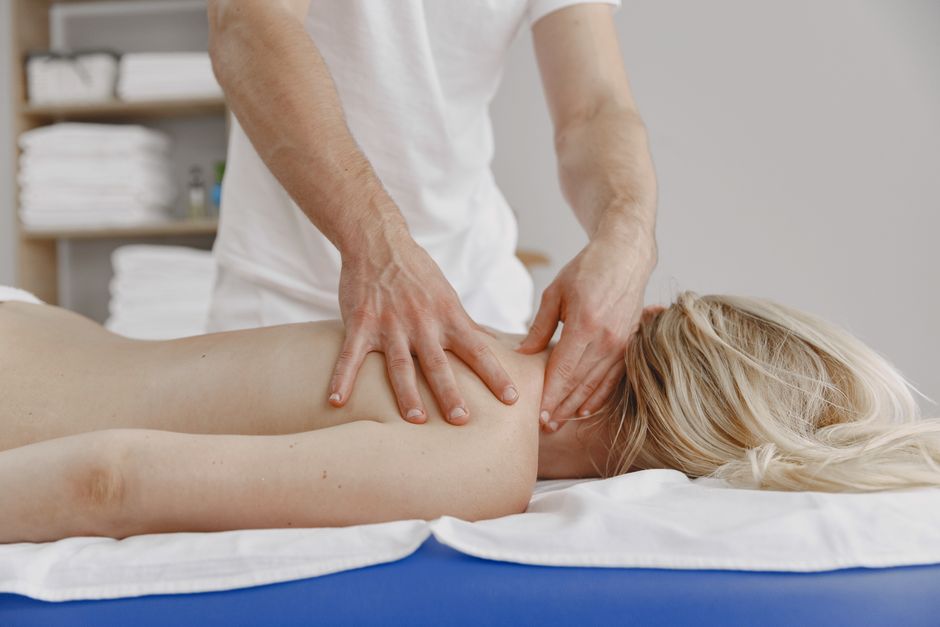
Think of massage as personal upkeep—like stretching or exercise—rather than an all-or-nothing remedy.
How Do Local Seasons and Climate Affect Massage Needs?
Living in the city means adapting to the region’s distinct seasons. Here are some ways these shifts impact massage needs:
- Winter: Colder temperatures and slippery sidewalks can mean more time spent indoors, leading to stiff muscles and postural tightness from extended sitting. You may find more frequent sessions beneficial for maintaining flexibility and comfort.
- Spring and fall outdoor activity: Increased yard work, gardening, and local events might increase physical strain, especially for those not regularly active during the winter.
- Allergies and respiratory challenges: Springs and summers bring allergy flare-ups for many households, sometimes contributing to tension headaches or sinus discomfort that massage can help ease.
Adjusting massage frequency to match these seasonal transitions can make each session feel more effective.
When Is It Worth Reevaluating Your Massage Routine?
Pay attention to patterns and subtle changes. Consider a new schedule if:
- You notice benefits from massage wear off before your next planned session.
- Life circumstances or daily activity have changed, increasing stress, stiffness, or pain.
- Your health status changes, like a new diagnosis, shifting medications, or recovering from an accident.
Staying open to adapting your routine ensures that massage continues to meet your needs—whether that means maintaining a steady once-a-month rhythm or increasing visits during periods of greater physical or mental demand.