

 See My Latest Article on HelloNation
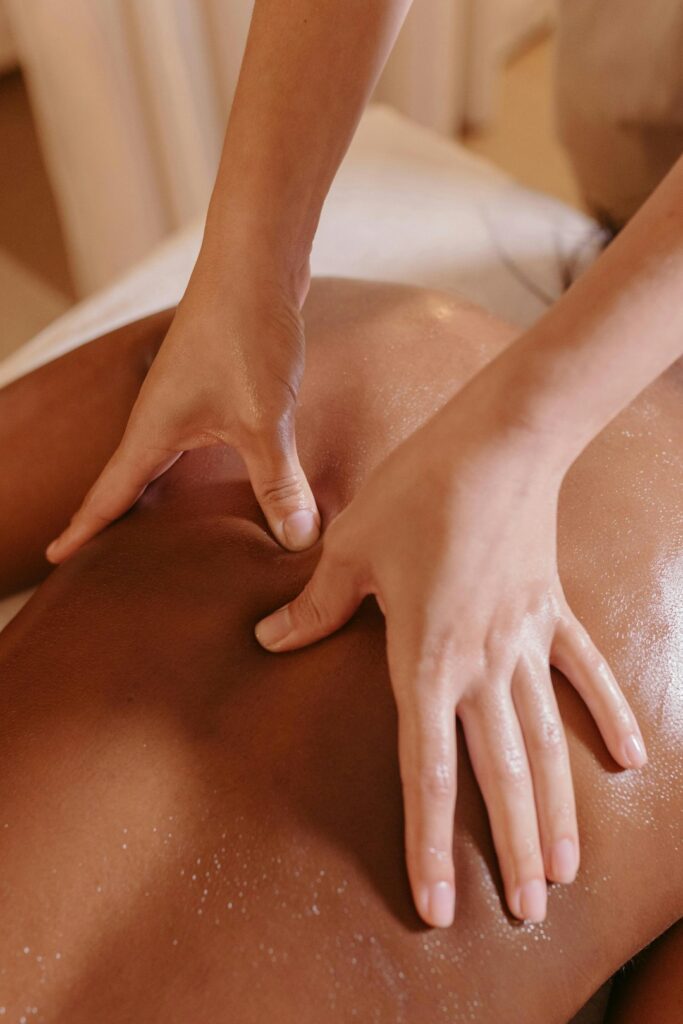
Can Massage Influence the Immune System?
Massage therapy has gained attention in recent years as a possible way to strengthen the body’s defenses against illness. Current research suggests massage may offer some benefits for immune health, though it’s important to understand the limitations and how these effects work in real-life settings like Thornton, CO.
When trained practitioners use therapeutic massage techniques, the physical effects can spark changes in the body’s stress response, circulation, and even certain immune markers. That said, massage is not a replacement for vaccines, medical care, or healthy routines such as sleep, nutrition, and handwashing—especially during the winter months and allergy season common to this area.
What Does the Science Say About Massage and Immunity?
Research points toward a modest, positive effect of massage on immune response. Several studies have measured immune markers—things like lymphocyte count (white blood cells that fight infection) and levels of cytokines (molecules involved in inflammation)—before and after massage sessions. The findings generally show:
- Increased levels of certain white blood cells after massage
- Reduced stress hormones, such as cortisol, which can suppress immune function if chronically elevated
- Temporary boosts in “natural killer” cell activity, which helps defend against viruses
However, most studies are small and use short-term measurements. Meaning, benefits may be mild and temporary unless massage is part of an ongoing wellness routine. More research is needed, especially for specific populations—such as older adults, caregivers, or those with chronic health conditions—in settings like the Thornton community.
How Does Stress Relate to Illness and Immunity?
Stress is a well-known factor that impacts susceptibility to everyday infections and can trigger flare-ups of chronic illnesses. The body’s stress response—often called the “fight or flight” reaction—raises heart rate, blood pressure, and levels of the hormone cortisol.
Long-term high stress can:
- Lower the number and function of white blood cells
- Increase inflammation
- Slow recovery from infections
Massage is one intervention studies have shown to reliably decrease the markers of chronic stress. By promoting relaxation, easing muscle tension, and supporting better sleep, massage may indirectly support immune health, particularly for residents facing job-related stress, family demands, or even seasonal weather shifts common in Thornton.
What Are the Practical Effects for Local Households?
For area households dealing with typical concerns—flu season, winter viruses, year-round allergens, or high pollen counts in spring—massage may offer supportive, but not preventive, health benefits. Residents who benefit most might be those who already practice basic healthy habits.
A typical scenario for local families could look like:
- Parent working from home in Thornton tries periodic massage to help with stress and muscle aches, leading to more restful sleep, which in turn supports stronger immune function
- Adults with chronic pain use massage as one element of their self-care, finding they get sick less often when they also manage stress and practice good hygiene
Massage should never be considered a substitute for established preventive measures such as vaccination, proper nutrition, regular exercise, or allergy management—especially in a climate that brings both winter colds and spring allergy triggers.
Are There Types of Massage that Offer Distinct Immune Benefits?
Several massage techniques are thought to help the immune system by stimulating circulation and lymph flow, including:
- Swedish massage – Gentle strokes and kneading to relax muscles and boost blood flow
- Lymphatic drainage – Light, rhythmic motions designed to help lymph move more efficiently through lymph nodes, potentially supporting waste removal and immune surveillance
- Deep tissue – Focused on deeper muscle layers; may help relieve long-standing tension, although less directly linked to immunity
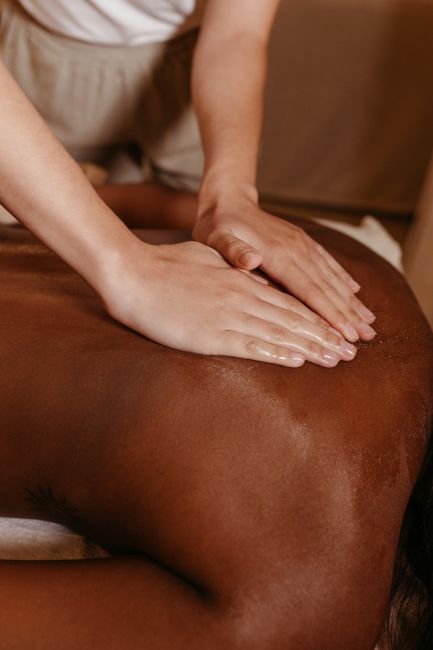
Each method may feel different, and individual experience varies. There’s no specific evidence that one type is dramatically better than another for boosting immune markers.
Can Massage Be Used When Someone is Already Sick?
Area residents should avoid massage during contagious illnesses (such as the flu or common cold) to prevent spreading germs to others, especially practitioners and others in shared spaces. Massage is generally best used as a preventive, supportive measure rather than a treatment for illness. People with fever, unexplained rash, or active infection should wait until symptoms have resolved before considering bodywork. For those recovering from illness, gentle techniques may sometimes help speed up a return to normal comfort by reducing residual tension and stress, provided that symptoms have improved and there’s no ongoing risk of contagion.
Who Might Benefit Most in the Thornton Climate?
Given local weather patterns, seasonal changes, and the community’s active lifestyles, certain populations may find massage especially valuable:
- Teachers, parents, and healthcare workers with high stress exposure
- Older adults facing chronic inflammation or joint stiffness made worse by cold winters
- Anyone with allergies exacerbated by area pollen counts, seeking extra relaxation support
That said, massage is not always suitable for everyone. Those with certain medical conditions (autoimmune disorders, cancer, or clotting problems) should seek guidance before beginning any new self-care routine involving massage.
What Common Myths Should Residents Avoid?
Several claims about massage and immunity are not supported by scientific consensus:
- “Massage prevents you from getting sick.” Massage may support resilience but does not offer immunity to infection.
- “One massage is enough to boost long-term immunity.” Lasting effects typically require consistent healthy habits.
- “All massage techniques are equal for immunity.” Most routine massage can support relaxation; specialized techniques show only mild differences in immune impact.
Area residents are best served by seeing massage therapy as a supportive part of a balanced, healthy lifestyle—along with trusted medical advice and the region’s recommended preventive health guidelines.