

 See My Latest Article on HelloNation

Are All Massages the Same?
No, massages vary widely in technique, purpose, and outcome. In Thornton, many residents assume every massage is just about relaxation, but that isn’t accurate.
Massage therapy actually includes a range of methods, from Swedish (gentle, relaxing strokes) to deep tissue (firm pressure targeting deeper muscles) to sports massage (specific to athletes’ needs) and more. The intent could be relaxation, stress relief, pain management, or recovery from injury.
Local lifestyle, such as outdoor activity and long commutes common in the city, also shapes which massage type people seek. For example, active individuals may benefit most from targeted work on overused muscles rather than a simple relaxation session.
Does Massage Therapy Hurt?
Some people worry that massage will always be painful, but most sessions are customized to comfort level. While deep tissue or therapeutic massages sometimes create mild discomfort during release of tight muscle knots, the process should not cause sharp or unbearable pain.
Experienced therapists adjust pressure and technique based on communication with each client. It’s common for clients in the area to report delayed soreness similar to post-exercise aches after focused work, especially following sessions aimed at injury recovery.
If residents feel worried about pain, it’s helpful to talk openly with licensed therapists, who are trained to respond to feedback and adapt methods for comfort and safety.
Is Massage Therapy Only for Luxury or Pampering?
Although massage is often linked with indulgence and spas, it’s a recognized health support for many household concerns in Thornton. People sometimes associate massage with special occasions or vacations, but local clients routinely use therapeutic massage as part of wellness routines for chronic pain, stress, post-surgery rehabilitation, migraines, or physical therapy.
The city’s active population—whether hiking nearby trails, working in physically taxing jobs, or managing desk work—often uses massage therapy to address long-term muscle tension or support recovery, not just for “treating themselves.”
Does Insurance Cover Massage Therapy?
Many in the community mistakenly believe insurance never covers massage. While coverage is less widespread than for other medical services, some plans in Thornton do help pay for massage therapy that is prescribed by a physician, particularly for injury, chronic pain, or rehabilitation.
Requirements, reimbursement, and documentation vary, and not all therapists accept insurance. For those managing medical issues, it’s worth checking directly with insurance providers or health savings plans to avoid missing out on possible benefits.
Is Massage Therapy Unsafe for Certain People?
For most people, massage is considered safe when performed by a properly trained and licensed professional. Still, there are valid medical reasons for caution:
- Recent surgeries, fractures, or serious injuries
- Blood clots or vascular disorders
- Certain skin or infectious conditions
- Specific areas during pregnancy
Residents with medical concerns should share relevant history before any session. Local massage therapists are trained to recognize contraindications and work with healthcare teams if massage therapy needs to be adapted or postponed.
Can Massage Therapy Help With Chronic Pain or Medical Conditions?
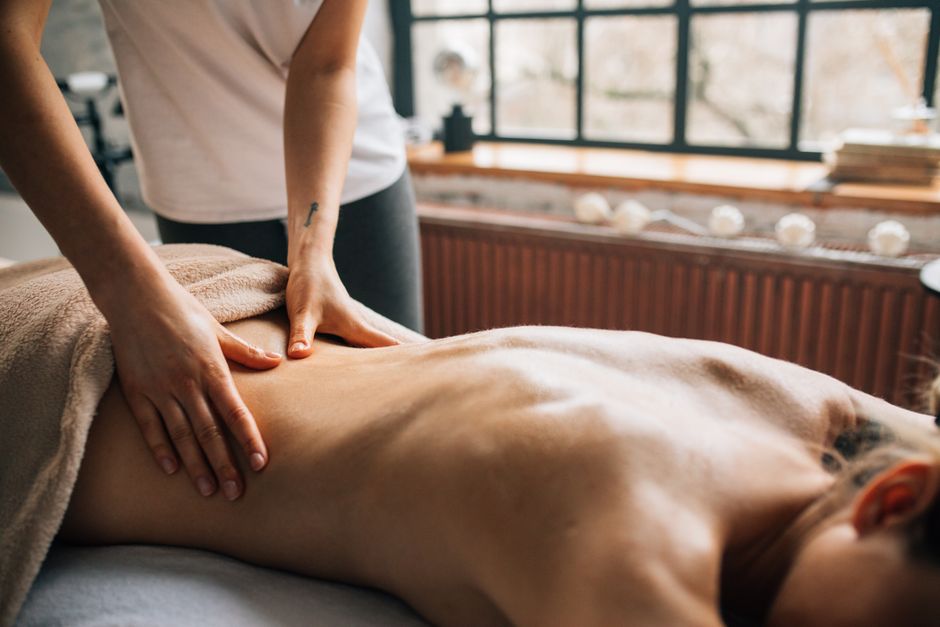
Yes, massage can aid people living with chronic pain, injury recovery, or common conditions such as headaches or repetitive strain. However, it is not a cure-all. Many area households turn to massage alongside other treatments—not as a sole solution. Consistent massage may contribute to better mobility, reduced muscle tension, and improved stress management, especially for those coping with the physical impacts of shift work or seasonal weather changes. Chronic conditions often require a full approach, and communication between doctors and therapists is key.
Are Massage Therapists Licensed Medical Professionals?
Massage therapists in Thornton must meet specific education, testing, and registration requirements to practice legally. While they are not medical doctors, their training covers anatomy, physiology, ethics, and injury response, and ongoing education is required. Licensing is regulated by the state, ensuring quality and consumer safety. Residents can check credentials through official state or regulatory resources if unsure.
Do Massage Therapists Diagnose Injuries?
Massage therapists do not diagnose injuries or illnesses. While they may notice physical signs that warrant medical attention, they are trained to refer clients to the proper healthcare provider if something unusual is found. In practice, if a therapist suspects an underlying issue—like a lump, a rash, or severe pain—clients are encouraged to speak directly with primary care professionals.
Will Massage Therapy Permanently “Fix” Muscle or Joint Problems?
Massage therapy can support relief of muscle tension, discomfort, or pain tied to daily life in Thornton, but it rarely provides an instant, permanent cure. Issues like posture problems from working at a desk or chronic pain from repetitive activity may return without ongoing management. Long-term results are best when massage therapy is combined with other healthy habits: movement, stretching, hydration, stress management, and follow-up care as needed.
Is Massage Therapy Only for Adults?
No, massage may benefit people of all ages—children, teens, and seniors included. The techniques and duration are adjusted for age, body type, and any health limitations.
Parents in the city sometimes seek massage therapy for kids involved in sports, or older family members with age-related discomfort. Sessions for younger individuals are always provided with parent or guardian consent, and care is taken to address specific needs.