

 See My Latest Article on HelloNation
Does Massage Really Boost the Immune System?
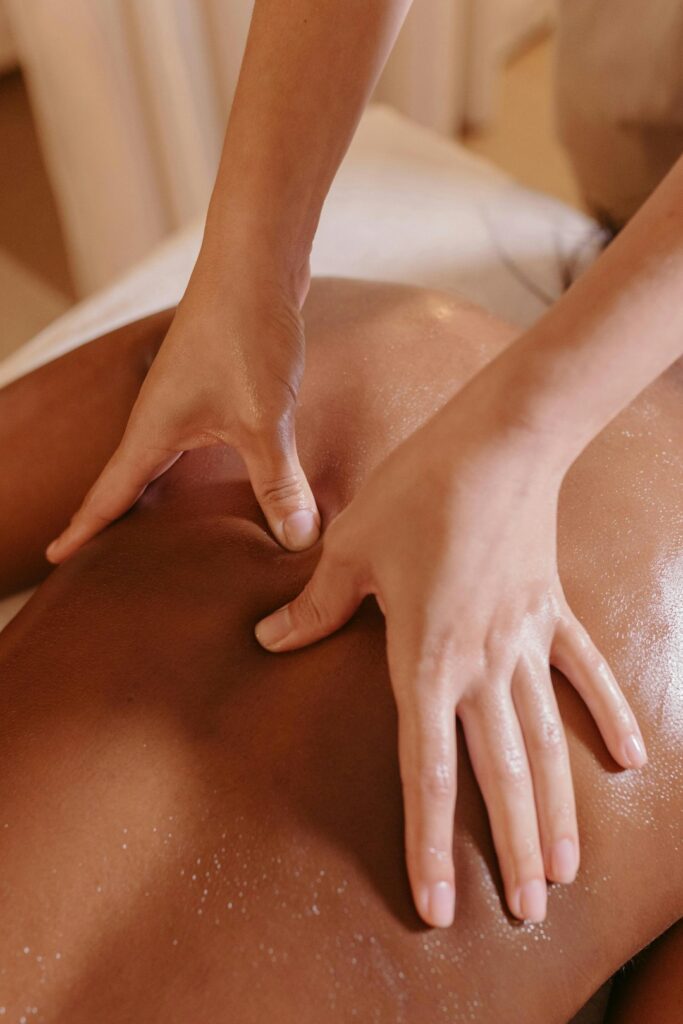
Massage isn’t a cure-all for illness, but research suggests some techniques can support aspects of immune system function. The main way it may help is by reducing stress, improving circulation, and influencing the body’s levels of certain immune-related hormones and cells. This doesn’t make massage a replacement for vaccinations, good nutrition, or healthy sleep habits, but it can be a meaningful part of a balanced wellness routine for many people in Thornton, CO.
How Might Massage Affect the Immune System?
Massage therapy may impact immune health in a few indirect but meaningful ways:
- Stress Reduction: Chronic stress is known to suppress immune function. Massage can help lower levels of the stress hormone cortisol, creating conditions less likely to wear down natural defenses.
- Improved Circulation: By stimulating circulation, massage helps carry oxygen and nutrients to tissues and supports the healthy transport of immune cells throughout the body.
- Hormonal Shifts: Some studies show that massage can increase levels of lymphocytes, a type of white blood cell important for defending against illness.
While there’s still a lot to learn about the specifics, these benefits are most relevant when looking at massage as a supportive—not primary—tool for immune health.
What Kind of Massage Is Most Associated With Immune Benefits?
Research has focused mostly on “Swedish” and other basic relaxation techniques for their stress-relieving and circulation-boosting effects. There is less evidence that more intense deep tissue or sports massage offers additional direct immune support. Gentle, regular treatments that don’t cause excessive soreness are likely best for those hoping to boost overall well-being, including immune function.
Are There Risks for Certain Thornton Residents?
For most healthy individuals, massage is low-risk. However, people who are actively sick, have certain chronic conditions, or weakened immune systems should be cautious:
- Those with fever, contagious illness, or recent infection should postpone massage to avoid spreading germs or increasing physical stress.
- Individuals with immune-compromising conditions (due to medication or illness) may need to consult their primary care provider before receiving massage.
- Some health conditions common in the area, such as allergies that flare up in dry or pollen-heavy seasons, aren’t a direct barrier to massage but should be discussed with any practitioner.
It’s a good practice for community members to share any health concerns openly before starting a wellness routine involving massage, especially with unique climate-related health factors such as Colorado’s seasonal dryness or wildfire smoke exposure.
How Often Should You Consider Massage for Immune Support?
There’s no universal schedule that fits every Thornton household. Frequency depends on individual stress levels, lifestyle, age, and underlying health. Some studies with observable immune changes involved weekly sessions over several weeks, but practical and financial realities usually mean people use massage as needed for periods of high stress or after illness recovery.
General guidelines for the local community might include:
- Occasional sessions, such as once or twice a month, for those looking to maintain wellness during stressful seasons or significant life changes.
- Short, gentle sessions post-illness (once fully recovered) may help ease lingering tension or fatigue.
- More frequent visits may offer additional support, but are not a must for everyone.
Common Misconceptions About Massage and Immunity
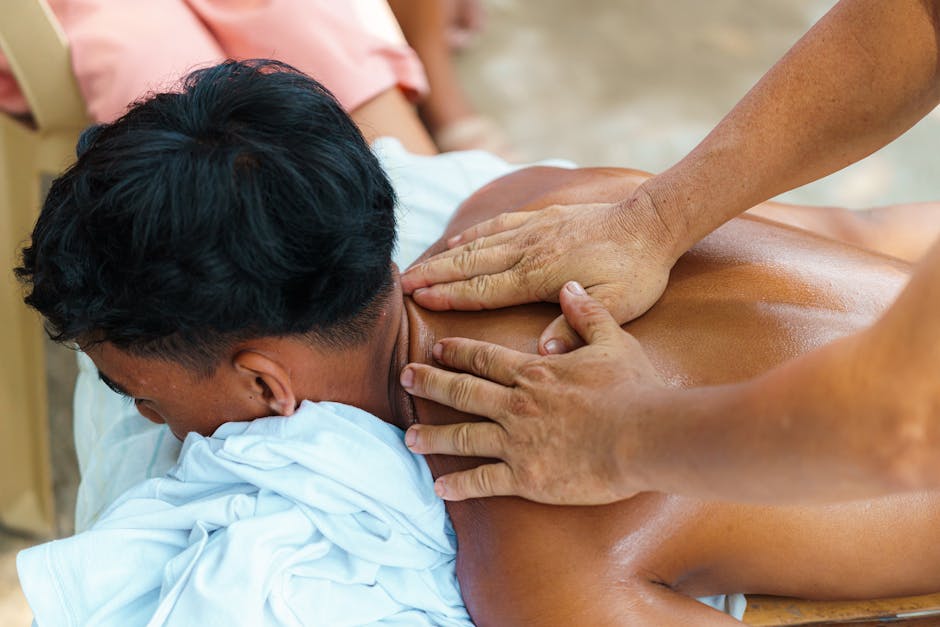
Some residents assume that massage can “detox” the body or directly fight off colds and flu. In reality, massage can’t flush out toxins or single-handedly prevent illness. It does promote relaxation, may support healthy circulation, and helps people feel more resilient. Viewing massage as one part of a wider wellness approach—alongside a good diet, regular movement, and adequate rest—offers more realistic expectations.
Are There Local Factors in Thornton, CO That Influence Immune Health and the Benefits of Massage?
The climate, altitude, and active lifestyle typical to Thornton can have some impact on how massage is experienced and its place in a wellness routine:
- Dry Air: The local environment can lead to dry skin and greater muscle tightness, which may make gentle massage especially soothing and help with comfort during winter or allergy season.
- Seasonal Shifts: Winter months can bring more indoor time, increased stress, and circulation issues; massage may be a welcome support during these periods.
- Active Lifestyles: Many community members enjoy hiking, biking, or outdoor activities. Massage can be helpful in managing physical stress, which indirectly supports immune resilience.
Local residents should view massage as a supplement to—not a substitute for—other healthy habits, especially when community health concerns like flu seasons or air quality alerts arise.
What Other Simple Practices Support Immune Health Alongside Massage?
Thornton residents looking to strengthen their resilience against illness might consider pairing massage with:
- Frequent hand washing and covering coughs during community illness outbreaks
- Staying hydrated, especially at altitude and during dry seasons
- Maintaining healthy sleep routines
- Eating a diverse range of fresh, whole foods
- Moving the body regularly, whether through local parks, trails, or indoor activities
Combining these behaviors with occasional massage creates a balanced approach to supporting overall well-being in the city.