

 See My Latest Article on HelloNation
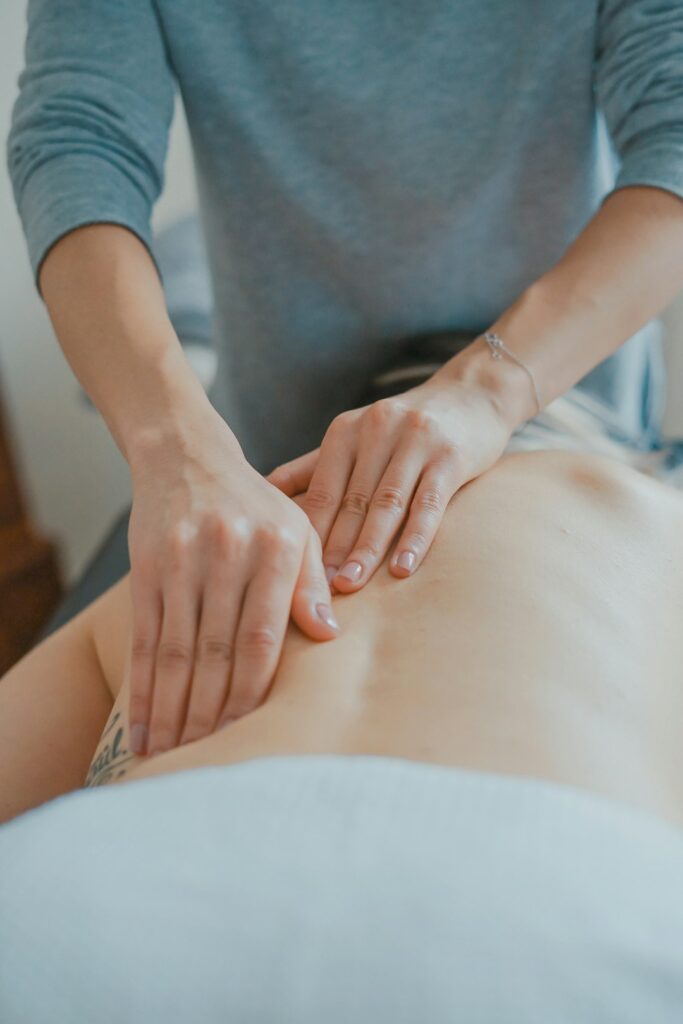
How Can Massage Therapy Help Athletes in Thornton, CO?
Massage therapy can benefit athletes by supporting muscle recovery, improving flexibility, and reducing soreness from both intense training and recreational activity. In a place like Thornton, where active lifestyles are common and outdoor conditions may change with the seasons, local residents may seek practical ways to keep their bodies resilient and comfortable.
Athletes in the city—whether involved in team sports, cycling along local trails, or participating in recreational leagues—often use massage to address specific aches, prepare for events, or maintain overall wellness. Massage therapy is commonly integrated alongside other recovery approaches such as stretching, rest, and hydration.
What Types of Massage Are Most Useful for Athletes?
Several massage techniques are frequently used to address athletic needs:
- Sports Massage: Focused on areas of the body that are stressed from repetitive use. Techniques may target overused or injured muscles to help with performance and flexibility.
- Deep Tissue Massage: Works on deeper muscle layers and connective tissue. Helpful for resolving chronic tension and knots.
- Swedish Massage: Uses gentler techniques for relaxation and circulation, which can assist recovery during less intense training periods.
- Myofascial Release: Targets fascial (connective tissue) restrictions, sometimes felt as tight bands, to help restore range of motion.
Choice of technique often depends on the timing (pre-event, post-event, or recovery day), the athlete’s individual goals, and their comfort with pressure.
What Are the Expected Benefits and Limitations?
Massage has practical, research-supported benefits:
- Eases delayed-onset muscle soreness (DOMS) that often follows challenging workouts or new activities.
- Improves range of motion, making it easier to move freely during athletic activity.
- Helps circulation, which can support the repair of tiny muscle fibers stressed by regular exercise.
- Offers mental relaxation, supporting stress relief and emotional well-being.
However, massage therapy is not a cure-all for injuries, nor does it replace proper medical care when injury or acute pain arises. It should not be used as a substitute for physical therapy when prescribed for injury rehabilitation.
How Does Climate and Lifestyle in Thornton Impact Athletic Recovery?
Thornton’s elevation, seasonal temperature shifts, and outdoor recreation culture can all influence how residents approach athletic recovery. Cold winter months can increase muscle stiffness and soreness, particularly after higher-intensity indoor training or winter sports. Conversely, warm summers may lead to dehydration or fatigue if recovery isn’t prioritized.
Local athletes commonly:
- Alternate between indoor and outdoor sports, which can change the types of strain experienced.
- Rely on home-based tools (stretching bands, foam rollers) in addition to massage for comprehensive care.
- Monitor hydration closely, as both altitude and activity in dry/cold air can amplify muscle irritation or cramping.
When Should an Athlete Consider Massage Therapy?
Massage can be incorporated at different stages of an athlete’s routine:
- Pre-Event: Lighter, warming massages to prepare muscles and increase circulation.
- Post-Event: Deeper, restorative techniques to relieve tightness and minimize soreness.
- Maintenance: Regular sessions during training cycles to address developing issues before they become injuries.
Active residents often find value in scheduling massage during both high-volume training periods (such as before marathons or tournaments) and in the off-season when the body is recovering from cumulative wear.
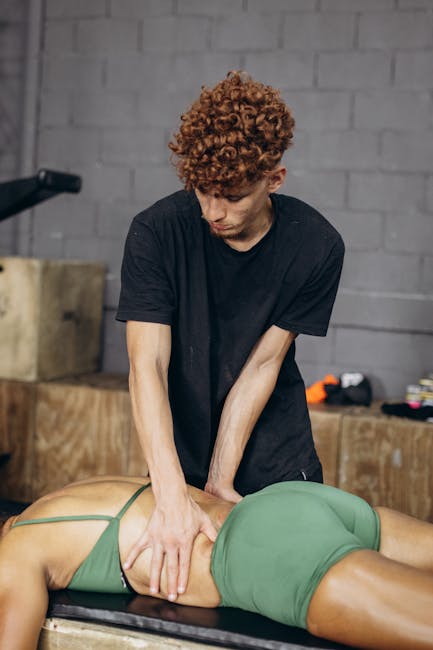
How Can Athletes Maximize the Benefits of Massage?
Making the most of massage therapy means taking an active approach outside of sessions. Thornton’s diverse community includes both competitive athletes and those simply aiming to stay fit—each can support massage outcomes by:
- Staying hydrated, especially after a massage, to help move metabolites out of muscle tissue.
- Stretching and warming up before activity and cooling down afterward.
- Listening to the body and communicating clearly with the massage therapist about discomfort, training changes, or injury history.
A common misconception is that more pressure always means better results. In reality, the best outcomes come from using massage intensity thoughtfully; deep pressure is only helpful if it’s comfortable and appropriate for muscle condition.
Are There Safety Concerns or Precautions for Thornton Residents?
Most healthy adults can safely incorporate massage therapy. However, there are times to be cautious:
- Skip massage on areas with acute injuries, rashes, or swelling until cleared by a healthcare provider.
- Those with medical conditions (such as blood clotting disorders or severe osteoporosis) should consult their doctor before starting regular sessions.
- During cold and flu seasons in the city, it’s considerate to postpone massage if feeling unwell to avoid spreading illness.
It’s also important for local athletes—especially those new to massage or sports recovery care—to start gradually if unsure how their body will respond. Feedback and open communication are key.
How Often Should Massages Be Scheduled for Athletic Benefits?
The optimal frequency of massage depends on:
- Training intensity and frequency
- Personal response to bodywork
- Budget and time availability
Some athletes benefit from weekly sessions during periods of tough training or competition, while others find once or twice a month is sufficient for maintenance. Recreational athletes might only need occasional massage for specific aches or recovery after challenging activities. Adjustments can be made seasonally, as needs often shift with changes in sports schedules or outdoor activity levels in the community.