

 See My Latest Article on HelloNation
What Sets Swedish and Deep Tissue Massage Apart?
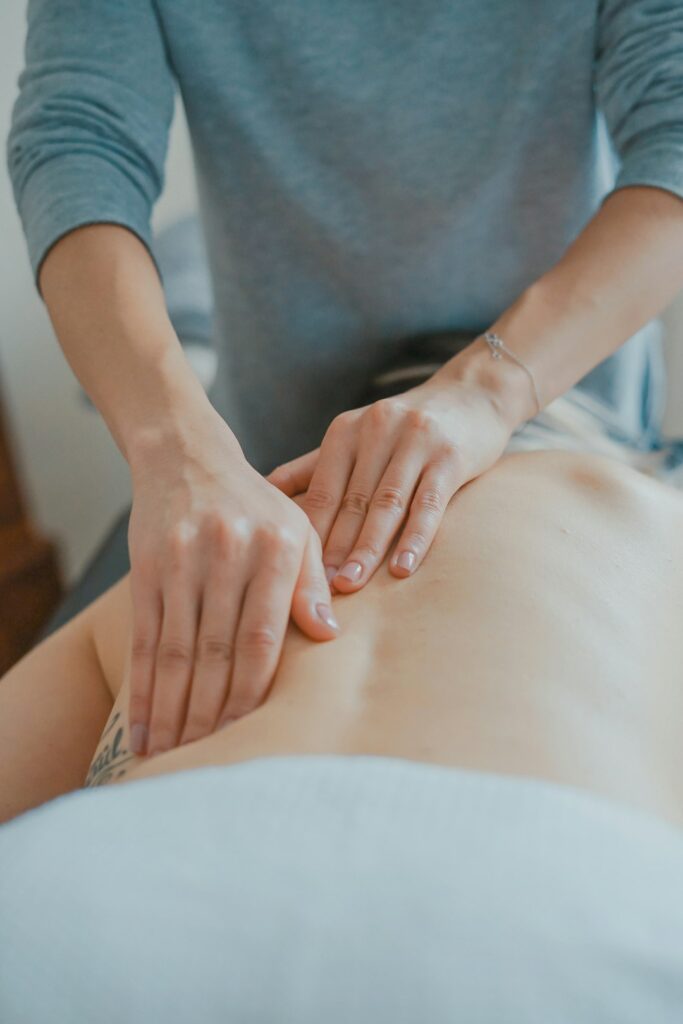
Swedish and deep tissue massage are two widely requested types of massage therapy, yet they serve distinct purposes and feel noticeably different. The fundamental difference lies in the pressure applied and the primary goals of each approach. Swedish massage emphasizes relaxation and gentle muscle relief, while deep tissue massage specifically targets deeper layers for lasting tension or muscle pain.
How Does Swedish Massage Work and Who Is It For?
Swedish massage uses mild to moderate pressure, long gliding strokes, gentle kneading, and rhythmic tapping techniques. Its main goal is to promote overall relaxation, boost circulation, and ease everyday muscle strains. Residents in Thornton often seek Swedish massage for:
- General stress relief
- Unwinding after local outdoor activities, like trails along the South Platte River or nearby parks
- Loosening up tension from desk work or commuting, which is common in local households
Swedish massage provides a soothing experience without causing discomfort or soreness, making it popular among people who:
- Are new to massage therapy
- Have no significant muscle injuries
- Are looking for a calming, revitalizing experience rather than targeted pain relief
What Makes Deep Tissue Massage Distinct?
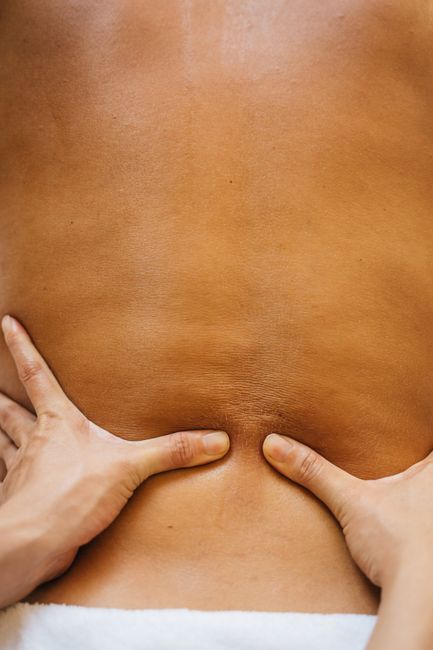
Deep tissue massage focuses on reaching the deeper layers of muscle and connective tissue through slow, firm pressure. This style is especially helpful for chronic pain, long-lasting muscle tightness, and areas with scar tissue or repetitive strain injuries. In Thornton, deep tissue massage is often sought after by:
- Manual laborers, gardeners, or construction workers who experience ongoing stiffness
- Fitness enthusiasts and older adults managing persistent aches from regular activity
- Anyone dealing with postural concerns from extended periods of sitting
Though it provides more intense relief, deep tissue massage can sometimes lead to momentary soreness, particularly if there are significant knots or “trigger points.” Communicating comfort levels during a session helps avoid excessive discomfort.
Do Swedish and Deep Tissue Massage Use the Same Techniques?
Both types of massage may appear similar to the untrained eye, as they share foundational techniques like effleurage (long strokes), petrissage (kneading), friction, and sometimes light tapping. The critical differences are:
- Pressure: Deep tissue involves much firmer, more focused touch intended for deeper muscle groups.
- Speed: Swedish strokes are generally long and flowing. Deep tissue moves slowly and pauses over trouble spots.
- Intended Depth: Swedish stays on surface muscle layers, while deep tissue intentionally works beneath them.
Thornton residents may notice that deep tissue sessions often involve communication between client and practitioner to customize the depth based on comfort and needs, particularly given the diverse lifestyles and occupational risks found throughout the city.
Are There Situations Where One Type Is Clearly Better Than the Other?
Swedish and deep tissue massage are not interchangeable, and choosing the right option depends on one’s goals and comfort.
Swedish massage may be the preferred choice for:
- Residents seeking relaxation or relief from general muscle soreness after shoveling snow or light outdoor chores
- Individuals with sensitive skin or those who bruise easily in Thornton’s sometimes dry or cold climate
- Anyone wanting a lower-intensity session to support better sleep or mental wellness
Deep tissue massage might be a better fit when:
- Chronic back, neck, or shoulder pain interferes with daily activities, including work and housework
- The objective is long-term improvement in mobility or posture rather than just relaxation
- Targeted recovery is needed from stiffness after strenuous yard maintenance or seasonal athletic activities in Thornton parks
Are Swedish or Deep Tissue Massages Ever Combined?
It’s not uncommon for some massage sessions to blend Swedish and deep tissue techniques. For example, a local resident might prefer the overall calming approach of Swedish massage with a few minutes of deeper work on particularly tight shoulders. Practitioners adapt their methods based on individual needs discussed before and during each session.
Common Misunderstandings About Pressure and Pain
Some believe that deep tissue massage must always be painful to be effective, or that Swedish massage is too gentle to address real muscle concerns. In reality:
- Effective deep tissue should feel intense but not intolerable. Lasting, sharp pain is not a sign of better results and communication is essential.
- Swedish techniques can alleviate many minor aches and tension patterns, supporting muscle health for those without severe issues.
- The right amount of pressure varies by body part, personal preference, and the massage’s purpose.
Residents in Thornton often find value in discussing their goals and comfort level beforehand, especially if recovering from an injury or accommodating changes in activity during dry winter months or active summers.
Which Massage Type Suits Common Household and Lifestyle Patterns in the Area?
Daily habits and seasonal shifts in Thornton can help inform the best massage choice:
- Cold winters and repeated snow removal may contribute to back strain, where deep tissue could help manage chronic tension.
- Desk and remote work, prevalent in the area, may cause upper shoulder and neck tightness, sometimes addressed by both approaches.
- Recreational walking, gardening, or community sports can result in general aches, often relieved by Swedish massage.
- For older adults or those with limited mobility, Swedish massage offers circulatory benefits and gentle relaxation.
How to Decide What’s Right for You?
The best fit depends on the outcome you want, current health status, and recent activity. If in doubt, start with Swedish if relaxation is the priority, or deep tissue if lasting tension is present. Adapting as you discover your own preferences and being open about soreness thresholds will lead to better results.