

 See My Latest Article on HelloNation
How Can Massage Therapy Help Manage Chronic Pain?
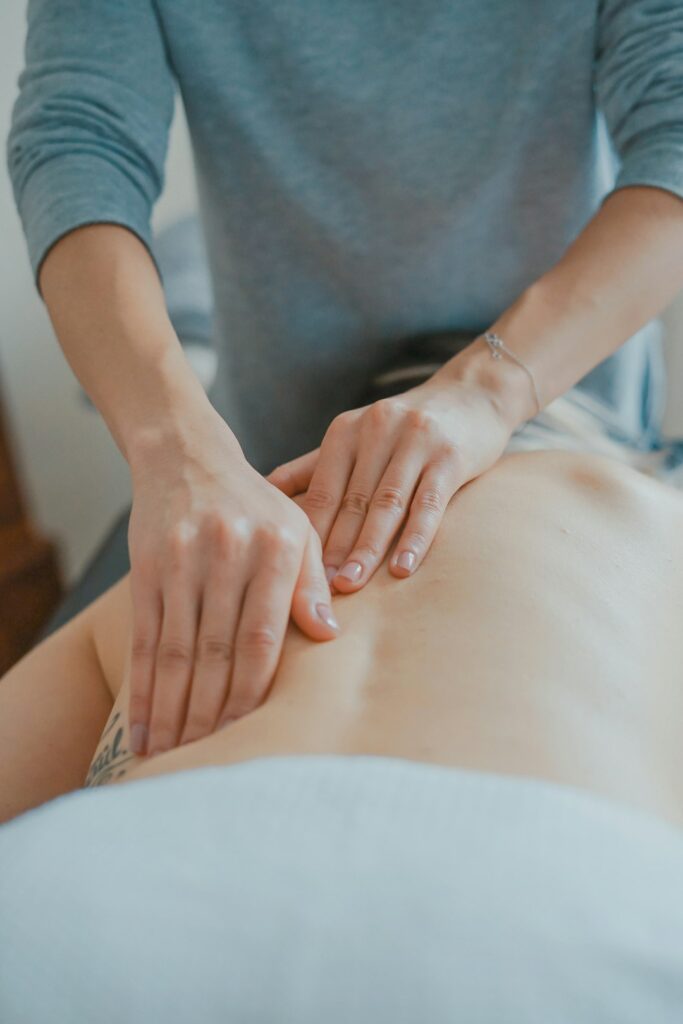
Massage therapy can offer meaningful relief for individuals living with chronic pain by addressing muscle tension, improving circulation, and promoting relaxation. For many residents dealing with ongoing discomfort—whether due to health conditions, old injuries, or lifestyle factors—massage interventions provide a non-pharmacological way to support pain management alongside other treatments.
The fundamental techniques used in massage therapy help reduce stress hormones, loosen stiff muscles, and may increase endorphin levels, which are the body’s natural pain relievers. By manipulating soft tissues, massage encourages improved blood flow to the affected areas, which can help decrease inflammation and promote healing.
What Chronic Pain Conditions May Benefit from Massage Therapy?
Several types of chronic pain commonly experienced in Thornton may respond well to therapeutic massage:
- Back pain, especially lower back tension linked to sedentary work or frequent heavy lifting
- Neck and shoulder pain, often seen in those who use computers or mobile devices for long periods
- Tension headaches or migraines related to muscle tightness in the head, neck, or upper back
- Arthritis aches, particularly in cooler weather when joints can stiffen
- Fibromyalgia, with its widespread sensitivity and muscle pain
- Post-surgical or injury-related discomfort, after the initial healing phase is complete
It’s important to understand that while massage does not cure underlying conditions like arthritis or nerve disorders, regular sessions may reduce pain levels and make daily activities more manageable.
What Types of Massage Are Used for Chronic Pain?
Thornton residents may encounter several styles of massage specifically focused on pain relief. Each uses different techniques tailored to the person’s symptoms, tolerance, and overall health.
- Swedish Massage: Uses gentle, flowing strokes for full-body relaxation—a common choice for people with widespread discomfort, sensitivity, or stress-related pain.
- Deep Tissue Massage: Targets deeper layers of muscle and connective tissue, which can benefit those with persistent muscle knots or tension spots. Some soreness may follow, but this technique may be helpful for long-standing pain.
- Trigger Point Therapy: Focuses on small, tender spots within muscles (“trigger points”) believed to refer pain to other areas. Careful pressure is applied to these points to relieve discomfort.
- Myofascial Release: Gentle, sustained pressure on connective tissues (fascia) can help relieve pain that doesn’t respond to typical massage, especially after injury.
Many therapists use a blend of these methods to tailor sessions based on individual needs. Safety and comfort are always prioritized; communication about pressure and sensitive areas helps ensure a positive experience.
How Often Should Someone Use Massage Therapy for Chronic Pain?
The right frequency depends on the nature and severity of the pain, personal goals, and how the body responds. Some individuals benefit from weekly sessions when pain is acute or newly addressed, then transition to biweekly or monthly maintenance once discomfort subsides.
For people living in Thornton, the city’s active lifestyle and seasonal climate can impact pain flare-ups. For example, winter’s cold and icy sidewalks may worsen arthritis or joint pain, prompting more frequent visits. In contrast, those enjoying outdoor activities during warm months may need occasional care for muscle strains or overuse injuries.
Listening to the body and monitoring how pain patterns change with massage is key. It’s also helpful to coordinate massage therapy with guidance from a healthcare provider when pain is linked to a medical diagnosis.
Are There Limitations or Risks to Massage for Chronic Pain?
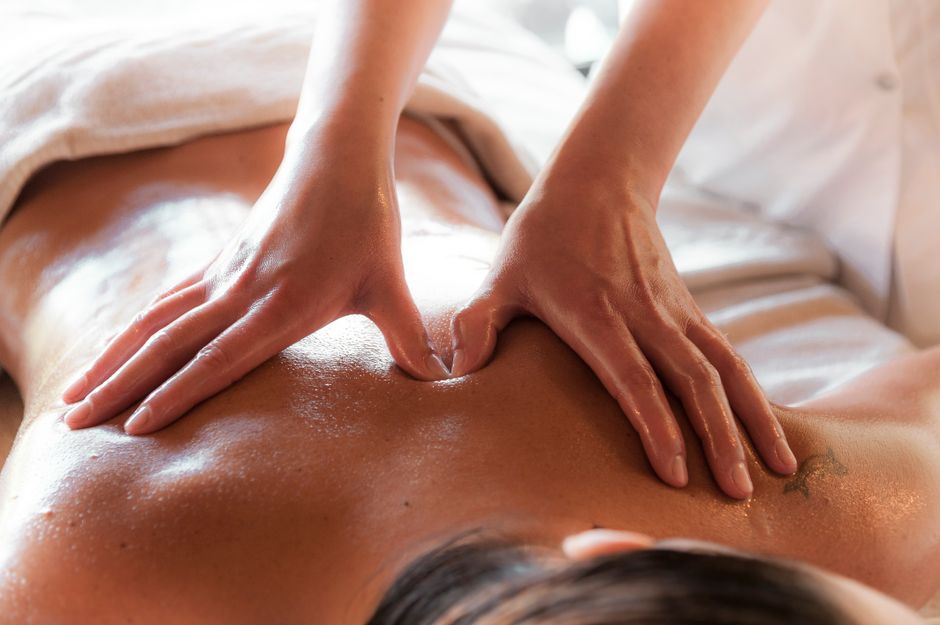
While massage is generally safe for most people, it’s not appropriate for certain conditions or at all stages of recovery. Areas with active skin infections, open wounds, or acute injuries (such as recent sprains) should not be massaged. Individuals with specific health issues—such as certain heart conditions, unmedicated high blood pressure, advanced osteoporosis, or some types of cancer—should seek medical input before starting massage therapy. People taking medications that thin the blood or impact tissue healing (such as some arthritis drugs) may also need to use extra caution. Honest discussion about health history ensures that therapy is personalized effectively and safely.
What Should Residents in Thornton Know About Integrating Massage with Other Pain Management Strategies?
Massage often works best when used as part of a broader pain management approach. Movement therapies, at-home stretching, gentle exercise (such as walking on local trails or in neighborhood parks), and stress management techniques can complement the effects of massage. It’s a common misconception that you need to experience deep pressure or discomfort for a session to be “effective.” In reality, the body often responds best to appropriate, tolerable pressure and regular, ongoing care. Combining self-care strategies—like staying hydrated, applying heat or cold packs at home, and practicing mindful posture—can extend the benefits of massage received in a professional setting. Local healthcare resources may also offer classes or workshops that guide residents through safe exercises and wellness routines. Staying connected with support groups or community resources can provide additional insight into chronic pain management.
How Can Area Residents Make the Most of Massage Therapy for Chronic Pain?
A thoughtful, individualized approach is the most effective. Residents managing chronic pain are encouraged to:
- Communicate clearly about pain patterns, medical history, and areas of concern at each session
- Stay consistent with session frequency, especially during high-stress seasons or periods of increased activity
- Use self-care techniques such as gentle stretching or warm baths to relax muscles between appointments
- Adjust daily habits—such as ergonomic adjustments at work or home—according to insights gained during therapy
Through these strategies, many in the local community have found that therapeutic massage can make living with chronic pain more manageable, reduce reliance on medications, and support an active lifestyle year-round.