

 See My Latest Article on HelloNation
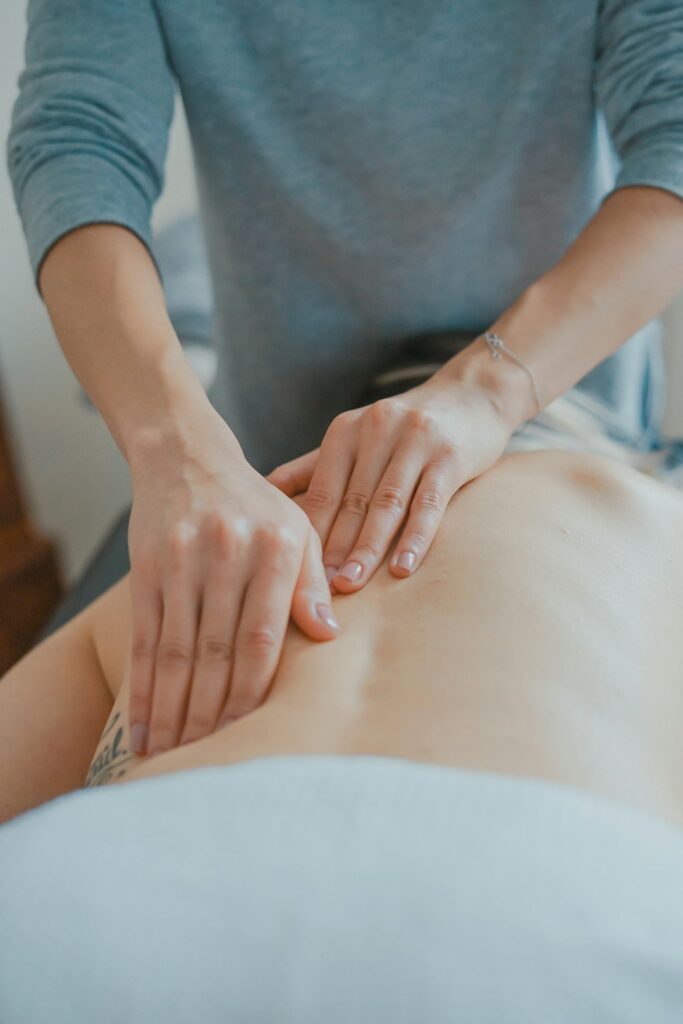
What Should Residents in Thornton, CO Consider Before Choosing a Massage?
Start by identifying why you want a massage and what outcomes you hope to achieve. People in Thornton often seek massage for stress relief, pain management, ongoing wellness, or muscle recovery. Consider your goals, comfort levels, and any health concerns. A local lifestyle—characterized by outdoor activities, variable weather, and sometimes demanding commutes—can influence the types of muscle tension or discomfort you experience. Names of massage styles on spa menus may not always explain what you’ll feel or how treatments work, so understanding the basics is helpful.
How Do Different Massage Types Meet Different Needs?
Each massage style excels at specific benefits and is suited to different comfort preferences.
- Swedish massage is gentle and relaxing, with long, gliding strokes that promote general stress relief. It’s suitable for most ages and physical conditions, making it a common choice for those new to massage or seeking relaxation.
- Deep tissue massage uses more pressure, addressing chronic muscle tension or soreness. This technique can target deep layers of muscle, often appealing to active residents or those dealing with specific pain from working at home or performing physical tasks.
- Sports massage is tailored for people who regularly engage in physical activity. Techniques here help prevent injury, support muscle recovery, and improve mobility, which can be particularly useful for outdoor enthusiasts adjusting to seasonal changes.
- Trigger point therapy focus on specific, tight knots within muscle tissue. If you feel sharp, localized discomfort or “knots” after gardening or shoveling snow, this form can provide targeted relief.
- Prenatal massage is designed for the comfort and safety of those who are pregnant, with modifications to standard techniques and positioning to reduce swelling, relieve aches, and promote relaxation.
Can Massage Help With Everyday Stress or Are There Better Options?
For residents dealing with daily work stress, sore muscles from recurring chores, or the effects of living with dry, cold weather, Swedish and gentle relaxation massages are practical options. They can encourage better sleep, lessen anxiety, and leave you feeling generally restored. Massage can complement, but not replace, other healthy stress-reduction habits like regular exercise and good sleep hygiene.
Should You Mention Health Concerns or Conditions?
If you have specific medical concerns—a past injury, ongoing pain conditions like arthritis, or allergies to lotions—mention these before your session. Some massage types, such as deep tissue, may not be advised for recent injuries or certain cardiovascular conditions. Communication with a massage professional can help minimize risks without limiting your ability to benefit from therapeutic touch.
How Can Preferences and Sensitivities Shape Your Massage Experience?
If you know you dislike firm pressure or are sensitive to touch, express this before beginning. Massage therapists routinely adjust techniques and pressure to individual comfort. Similarly, if you prefer not to be touched in certain areas or need to remain clothed, most methods can be modified. This flexibility is especially valuable for first-timers, teens, or older adults in Thornton who may want to ease into the experience.
What Local Lifestyle Factors Might Affect Massage Choices?
The climate and way of life in Thornton can influence massage selection. Dry winter air and fluctuating temperatures can lead to muscle stiffness and joint pain, making focused modalities—such as hot stone or therapeutic massages—more appealing during colder months. Meanwhile, those spending summer weekends hiking or gardening might gravitate towards recovery-focused massages that address muscle fatigue.
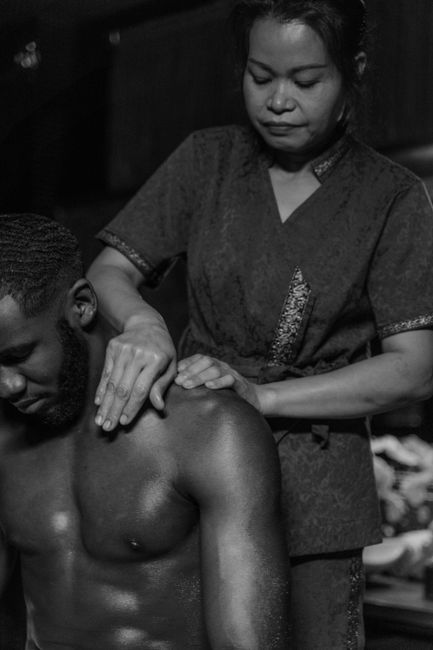
Are All Massage Techniques Safe for Everyone?
Most styles are safe for healthy adults, but a few situations require extra care:
- Pregnant individuals should seek out therapists with prenatal training.
- People with blood clotting disorders, certain heart conditions, or those recovering from surgery should consult a healthcare provider before any deep or vigorous massage.
- For young children or older adults, lighter touch and shorter sessions are often more suitable.
What Misconceptions Might Residents Have About Massage?
A common misconception is that “harder” always means “better.” In reality, deeper pressure isn’t always necessary for relief and can sometimes cause discomfort. Another myth is that massages are only for relaxation; many types can support injury prevention, chronic pain management, or athletic performance. Finally, some assume all massage involves undressing, but options exist that allow clients to remain fully clothed.
How Often Should You Get a Massage for Best Results?
The right frequency depends on your goals and budget. For everyday stress relief, monthly sessions are common. If you’re managing specific pain or athletic training, more frequent visits might help. Pay attention to how your body responds and adjust as needed. Consistency, rather than intensity, often brings the best long-term outcomes.