

 See My Latest Article on HelloNation
Can Massage Therapy Support Mental Health Challenges?
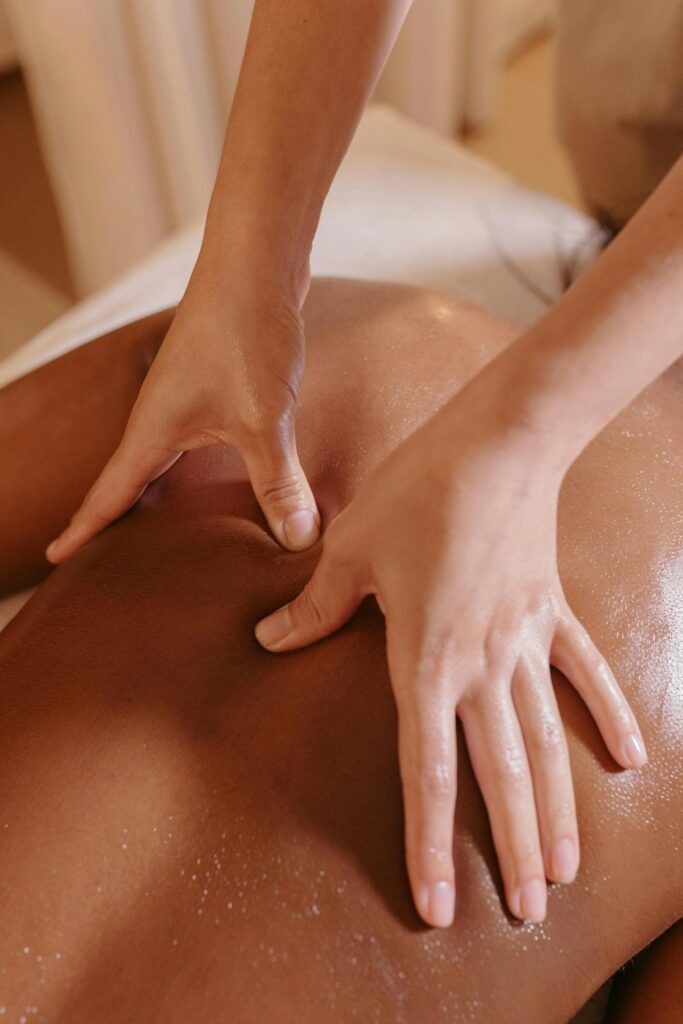
Massage therapy is increasingly recognized as a supportive method for those managing anxiety and depression, including residents of Thornton, CO. While it is not a cure, regular massage can complement traditional mental health care by creating moments of relaxation, reducing stress hormone levels, and improving overall sense of well-being.
How Does Massage Therapy Influence the Body’s Stress Response?
Massage can positively impact the body’s stress systems through gentle, structured touch and systematic relaxation. Physiological changes that often accompany massage sessions include:
- Reduced levels of cortisol (the primary stress hormone)
- An increase in serotonin and dopamine, which are neurotransmitters tied to mood regulation
- Lower heart rate and blood pressure
For local residents navigating daily stressors—whether from demanding jobs, busy commutes, or family responsibilities—these effects can provide short-term relief from the body’s acute stress responses.
What Forms of Anxiety and Depression Can Benefit?
Anxiety and depression manifest differently for each individual. Massage therapy in the community is often considered by people experiencing:
- Generalized Anxiety: Characterized by ongoing, excessive worry
- Social Anxiety or Situational Stress: Triggered by social interactions or life events
- Seasonal Affective Disorder (SAD): Which may be more pronounced during Thornton’s darker, colder winter months
- Mild to Moderate Depression: Marked by persistent sadness, reduced motivation, and disrupted sleep patterns
Research suggests those with mild to moderate symptoms may experience reductions in anxiety levels and improved mood after ongoing massage sessions. Massage should not take the place of mental health therapy, but it can be a valued addition.
What Are the Most Common Massage Techniques for Emotional Relief?
Several massage approaches are selected for their calming and relaxing qualities, such as:
- Swedish Massage: Known for gentle pressure and long, flowing strokes intended to ease muscle tension and promote relaxation
- Aromatherapy Massage: Incorporates essential oils with calming properties, adapted for seasonal preferences found in Thornton households
- Craniosacral or Gentle Touch Methods: Subtle, steady contact can be especially soothing for those more sensitive to pressure or just beginning to explore bodywork for mental health
Residents commonly select techniques that suit their personal comfort, physical health needs, and preferences for touch.
What Does a Supportive Massage Session Look Like?
Anxiety or depression can make new experiences feel daunting, so understanding what to expect can help. Supportive massage sessions in local practices typically offer:
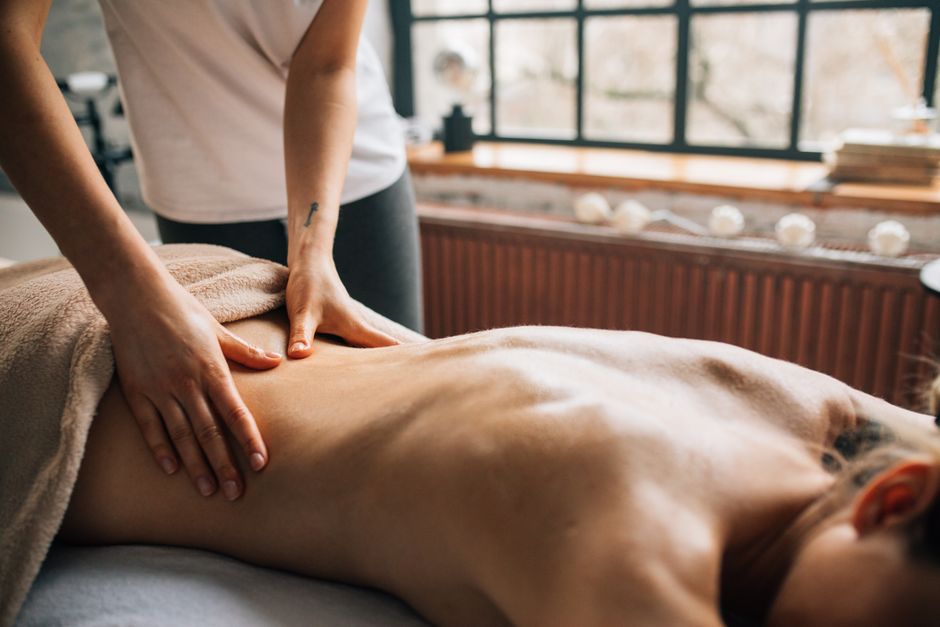
- A calm, private space with low lighting and minimal distractions
- Conversations at the beginning to discuss comfort levels, expectations, and boundaries
- Respectful adaptation to client needs, including the option to stop or change techniques at any time
Sessions are generally tailored to match individuals’ stress tolerance, and therapists often allow extra time for transitions in and out of the session. Comfort and consent are prioritized above all.
Can Massage Alone Treat Severe Mental Health Conditions?
Massage can help ease day-to-day symptoms of anxiety and depression but is not a replacement for counseling, medical intervention, or psychiatric care. In Thornton, individuals with severe symptoms—such as thoughts of self-harm, major depressive episodes, or panic attacks—should seek mental health support from licensed counselors, healthcare providers, or public health resources. Massage is best used as a supplement, not a substitute, especially when symptoms significantly impact daily life.
Are There Potential Risks or Misconceptions?
Although massage is generally considered safe, there are some factors that Thornton residents should consider:
- People with severe depression might experience increased fatigue after sessions; communication about responses is key.
- Pressure to “feel better” after one session is a misconception—progress is typically gradual.
- Those with complex medical conditions, recent injuries, or medication changes should consult with a healthcare provider before trying massage.
Therapists are trained to avoid making medical or mental health diagnoses, and will support clients’ preferences regarding conversation or silence during a session.
How Do Local Factors Shape the Experience?
Thornton’s unique setting and pace of life shape how residents access and benefit from massage therapy:
- Local climate: Cold winters can increase muscle tension and feelings of isolation, sometimes amplifying symptoms.
- Urban–suburban layout: Varying commute lengths and traffic can add to stress; massage may offer relief from these accumulated physical and mental burdens.
- Many area homes emphasize health routines that factor in self-care; massage can be integrated alongside exercise, nutrition, and time outdoors.
Residents seeking enhanced well-being often find massage to be a natural fit with local wellness habits.
What Practical Steps Can Residents Take?
Local community members curious about incorporating massage into their stress management routines should:
- Track their mood and symptoms before and after sessions to notice effects over time
- Communicate personal preferences, boundaries, and any physical health aspects with the massage provider
- View massage therapy as one piece of a larger well-being puzzle, alongside other forms of self-care and support
For those balancing life’s daily stressors, seasonal shifts, or persistent low mood, gentle touch through massage may offer practical relief and moments of peace within the fabric of daily life.