

 See My Latest Article on HelloNation
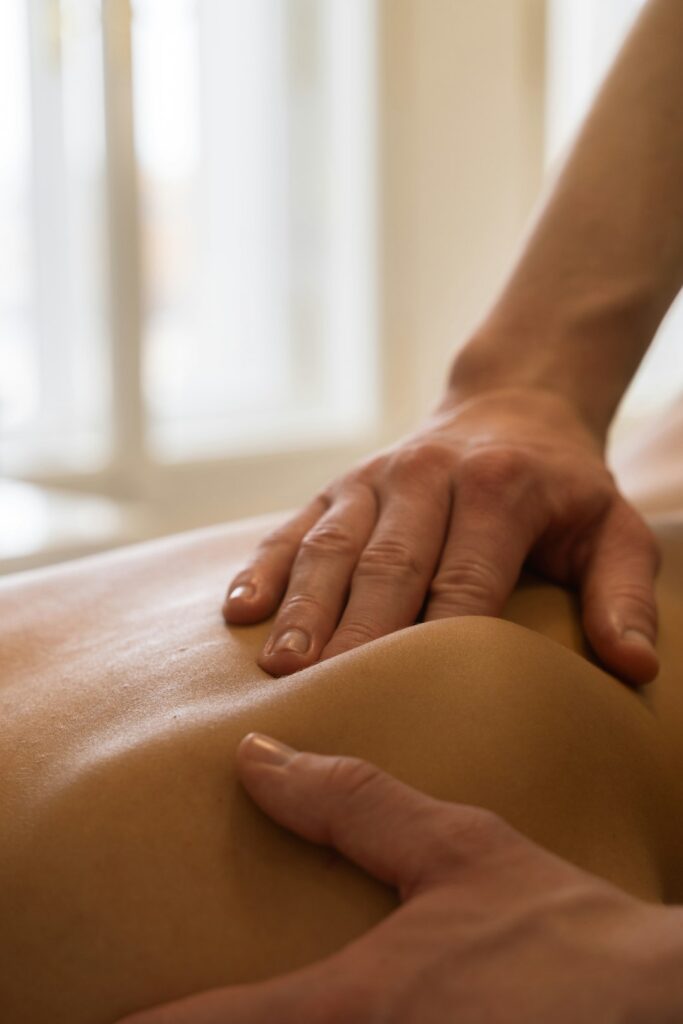
Can Pregnant Residents in Thornton, CO Safely Receive Massage?
Many people in Thornton, CO wonder whether massage is safe during pregnancy. The short answer is that massage can be safe for most pregnant individuals when certain precautions are followed, particularly after the first trimester. However, each pregnancy is unique, so knowledge of benefits, risks, and how to identify qualified practitioners is essential for anyone considering this wellness option in the local community.
What Are the Benefits of Prenatal Massage?
For many expectant parents, massage provides relief and relaxation during a time of significant physical and emotional change. Commonly reported benefits include:
- Reduced lower back pain and stiffness, which is especially relevant during cold, dry Colorado winters when muscles tend to tense up
- Improved circulation, helping combat swelling in the feet and ankles often worsened by periods of inactivity during snowy months
- Reduced anxiety and improved sleep, valuable as local households adjust to changing routines and added stress
- Relief from common discomforts like hip pain, shoulder tension, and headaches
Many local parents find that the climate and active lifestyle in Thornton can add layers of physical strain during pregnancy. Safe, targeted massage may help manage these challenges.
Are There Risks or Times When Massage Should Be Avoided?
Some situations make massage riskier during pregnancy. It is generally wise to avoid massage during the first trimester, as this is a higher-risk period for pregnancy loss. Most local practitioners recommend waiting until the second trimester or later.
A few specific reasons to be cautious or avoid massage entirely:
- High-risk pregnancies where a physician advises against manipulation or pressure
- Severe swelling, sudden headaches, or vision changes, which could indicate complications
- Certain health conditions, like preeclampsia or deep vein thrombosis, where massage may worsen symptoms
Cold winter conditions in Thornton may increase circulatory concerns or make falls on icy walkways more likely. Residents with mobility challenges or underlying health issues should check with their prenatal care provider before seeking massage.
What Types of Massage Are Recommended or Discouraged During Pregnancy?
Techniques matter. Not all styles are suitable:
- Gentle Swedish massage is often preferred, focusing on relaxation and light muscle work
- Deep tissue or intense pressure, especially around the legs and low back, is usually avoided, as pregnant bodies are more vulnerable to bruising and overstimulation
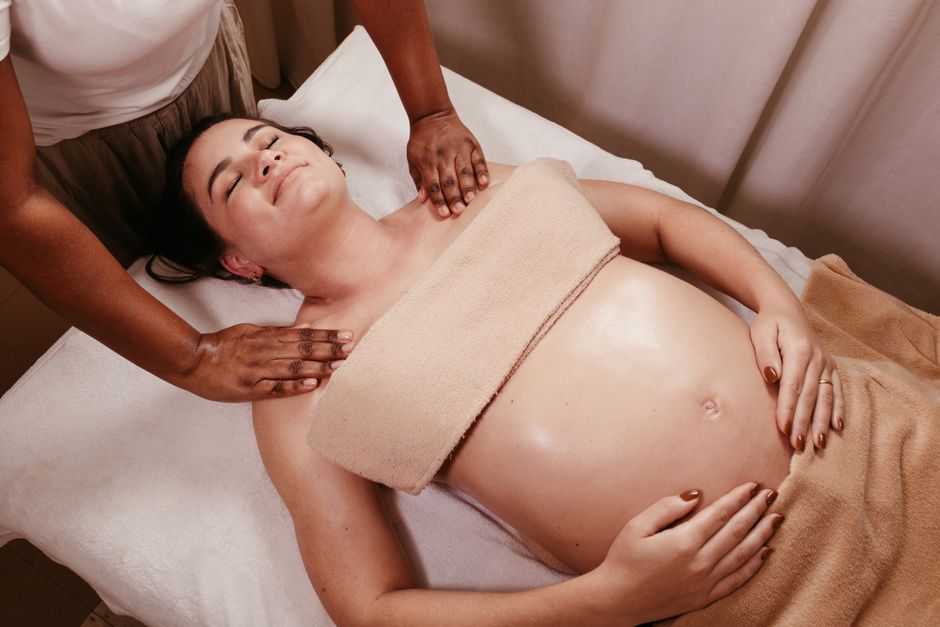
- Prenatal massage methods are designed to adapt to changes in body shape, mobility, and comfort levels
Pregnant clients are also often positioned on their sides, with supportive cushions and blankets. This adjustment is especially important during colder months in Thornton, when comfort is key and body temperature regulation can be more challenging.
How Do Local Regulations and Licensing Affect Massage Safety During Pregnancy?
Thornton practitioners are required to follow Colorado state licensing and safety standards for massage therapy, which include training in anatomy, contraindications, and local regulations. Those practicing prenatal massage typically seek additional education related to pregnancy.
Area residents should look for these signs of a well-qualified prenatal massage therapist:
- A current Colorado massage therapy license
- Demonstrated additional experience or certifications in prenatal techniques
- Willingness to discuss health concerns, accommodate doctor’s recommendations, and refer out if needed
Many Thornton households choose providers affiliated with reputable clinics or wellness centers, but independent therapists can also offer safe and supportive care when they meet state standards.
Common Myths and Misconceptions About Pregnancy Massage
Local families sometimes hear conflicting advice from friends, online groups, or well-meaning relatives. Some concerns are based on myths rather than current science:
- “Massage can induce labor if you touch the feet or ankles.” In reality, there is no evidence that properly performed foot or ankle massage causes labor. However, practitioners steer clear of strong pressure on certain acupressure points or areas prone to swelling.
- “Laying on your stomach or back is always dangerous.” After the first trimester, side-lying positioning is preferred, but brief periods on the back with support may be okay for some. Practitioners in Thornton adapt positions for comfort and safety.
- “All massages are the same during pregnancy.” Specialized knowledge is needed; not every therapist has specific prenatal training.
How Can Pregnant Residents Prepare for a Safe Massage Experience?
Local residents can take these steps to enhance safety and comfort:
- Communicate any health conditions, doctor’s instructions, or recent symptoms directly to the massage therapist
- Bring a list of any medications, even over-the-counter, which may affect circulation or tissue sensitivity due to higher elevation in this region
- Dress in comfortable, loose clothes, and plan additional time for seasonal weather or parking challenges typical during winter in Thornton
- Hydrate before and after, since dry climate conditions can increase risk of dehydration
It’s always appropriate to ask questions about positioning, technique, and room temperature to ensure comfort and peace of mind.
When Should Pregnant Individuals in Thornton Seek Medical Guidance First?
Residents should consult their prenatal care provider before receiving massage if they experience:
- Unexplained abdominal pain, cramping, or bleeding
- Past miscarriage or high-risk pregnancy status
- Chronic medical conditions affected by touch or position (including cardiovascular issues or severe diabetes)
- Any directives from their provider to limit physical activity
Medical advice is especially important when local winter conditions increase risks such as falls or changes in blood pressure due to the cold.
Summary for Thornton Residents
For most pregnant individuals in Thornton, massage can be a safe, soothing way to manage discomfort and stress—especially when provided by someone with specific prenatal experience. Safety depends on clear communication, understanding health status, and adapting techniques to local climate and seasonal needs. When in doubt, area residents are encouraged to balance self-care with guidance from their established healthcare team.