

 See My Latest Article on HelloNation
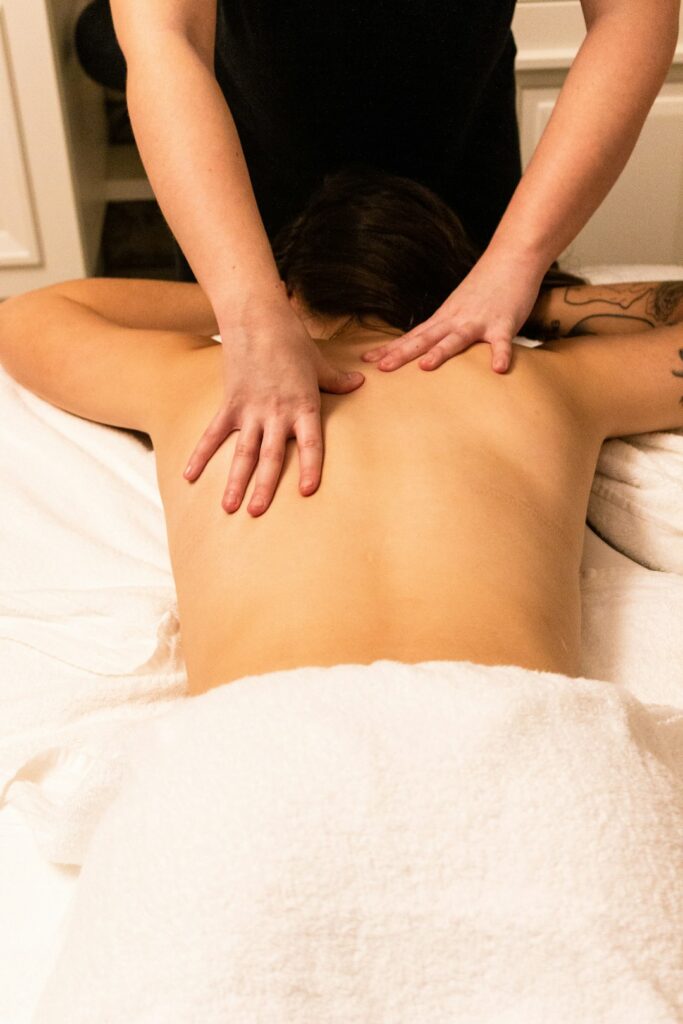
Why Is Ongoing Self-Care Important Between Massage Appointments?
Daily routines and local environmental factors play a major role in how muscles feel between sessions. Residents of Thornton, CO benefit from understanding how climate, home layout, and typical commute patterns impact muscle tension and soreness between massages. Practicing intentional self-care at home and during daily activities helps extend the relief and flexibility gained from each therapy visit. This can improve both short-term comfort and long-term results.
How Does the Thornton Climate Influence Muscle and Joint Health?
Thornton’s climate features cold, dry winters, occasional snow, and varied spring and summer temperatures. These conditions can contribute to more muscle stiffness or joint discomfort—especially after outdoor activities or shoveling snow. Dry air may also affect skin and soft tissue hydration, which ties directly into both comfort and tissue healing.
- Hydration is essential year-round, but especially during drier months.
- Layered clothing supports muscle warmth and reduces strain during sudden cold.
- Gentle warm-ups before outdoor chores help prevent muscle tightness common in winter.
What Are Simple Daily Movements That Help Between Sessions?
Small, frequent movement matters more than occasional big efforts. Sitting for long periods, especially with the increase in remote and hybrid work, can undo many of the benefits people gain from bodywork.
Try integrating these daily practices:
- Stand and stretch every 30–60 minutes, even if only for a few seconds.
- Focus on gentle neck, shoulder, and low back movements—target areas for tension, especially for those working from home.
- When possible, change positions or switch chairs to avoid muscle fatigue.
- Walking breaks around the neighborhood, parks, or apartment complex provide both circulation and mental refreshment.
How Should Residents Manage Soreness or Sensitivity?
It’s common to experience mild tenderness or soreness a day or two after a massage, especially if sessions are focused on deeper tissue work or addressing chronic problems. Residents have several safe methods for relief at home:
- Use a warm compress or heating pad on tense areas for 10–15 minutes to encourage circulation.
- Gentle stretching helps, but avoid pushing to the point of pain.
- Apply an ice pack for 10–15 minutes if swelling or inflammation is present (for instance, after a new exercise routine).
- Epsom salt baths can soothe muscles and provide a relaxing end to busy Thornton days.
How Can Individuals Support Healthy Posture in the Home or Office?
Many local residents spend hours at a computer or looking at screens. Thornton homes and offices come in a range of designs, but most people benefit from a few universally effective posture tips:
- Adjust screens to eye level to reduce neck strain.
- Use a chair that supports natural lower back curves or place a small pillow at the backrest.
- Keep feet flat on the floor or on a small footrest.
- Regularly “reset” by rolling shoulders back and down.
- For those using laptops, consider adding an external keyboard for more comfortable hand positioning.
What Is the Role of At-Home Tools and Simple Self-Massage?
Residents are increasingly exploring massage tools and self-massage methods. These can be beneficial if used with care:
- Foam rollers or massage balls work well for broad muscle groups like legs or upper back.
- Massage sticks help target calves, thighs, or hamstrings after a walk or hike around Thornton.
- For neck and shoulder tension, a simple tennis ball against a wall can provide gentle pressure relief.
- Avoid over-applying pressure on joints or bones, and always stop if pain increases.
Should People Stretch Every Day?
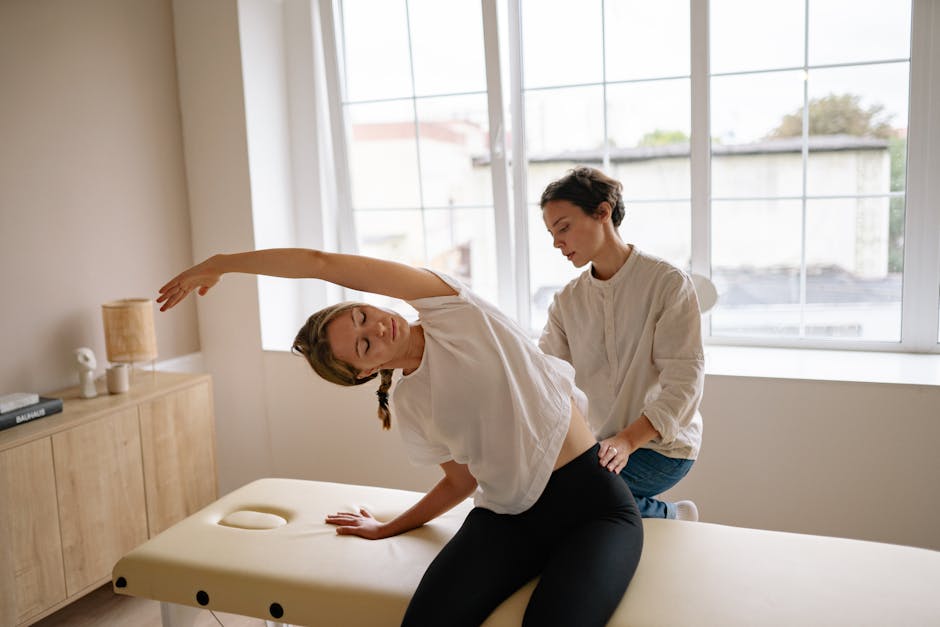
Daily stretching keeps muscles supple, especially with seasonal changes and varied activity levels in the city. Stretching is most effective after light movement, like a short walk or after using a heating pad. Recommended focus areas include:
- Neck and shoulders for desk workers.
- Hips and low back after long sitting periods or driving.
- Calves and hamstrings for walkers, joggers, and cyclists in local neighborhoods.
You don’t need long routines—consistent, brief daily stretching is usually most effective.
How Can Residents Recognize When Self-Care Is Enough?
Most muscle discomfort responds well to the approaches outlined above. Warning signs that indicate a need for extra caution include:
- Pain that is sharp, significantly worsens, or lasts more than a few days.
- Sudden swelling, redness, or loss of range of motion in an area.
- Numbness, tingling, or shooting pain down arms or legs.
In these cases, it’s best to pause self-treatment until symptoms resolve or are reviewed by a healthcare provider.
Are There Common Myths About Self-Care Between Massage Sessions?
Several misunderstandings can lead to disappointment or setbacks for local residents:
- Myth: “More pressure is always better.” In reality, excessive pressure—whether from tools, self-massage, or stretching—can aggravate tissues.
- Myth: “Pain means progress.” True progress feels like increased comfort and flexibility, not ongoing pain.
- Myth: “Hydration isn’t a big deal in a dry climate.” In areas like Thornton, hydration is critical for tissue health—even in winter.
Awareness of these misconceptions can help households avoid unnecessary discomfort.
What Small Daily Habits Make the Largest Difference?
Simple practices, repeated predictably, build the strongest foundation for comfort and resilience between massage sessions:
- Drink water throughout the day.
- Make time for short walks, even around local blocks or parks.
- Listen to your body—adjust routines when soreness or fatigue arises.
- Pay attention to seasonal needs, like added moisture for skin or layers for warmth during colder months.
With a little attention to daily habits, most residents find ongoing relief and better long-term results from their massage therapy sessions.