

 See My Latest Article on HelloNation
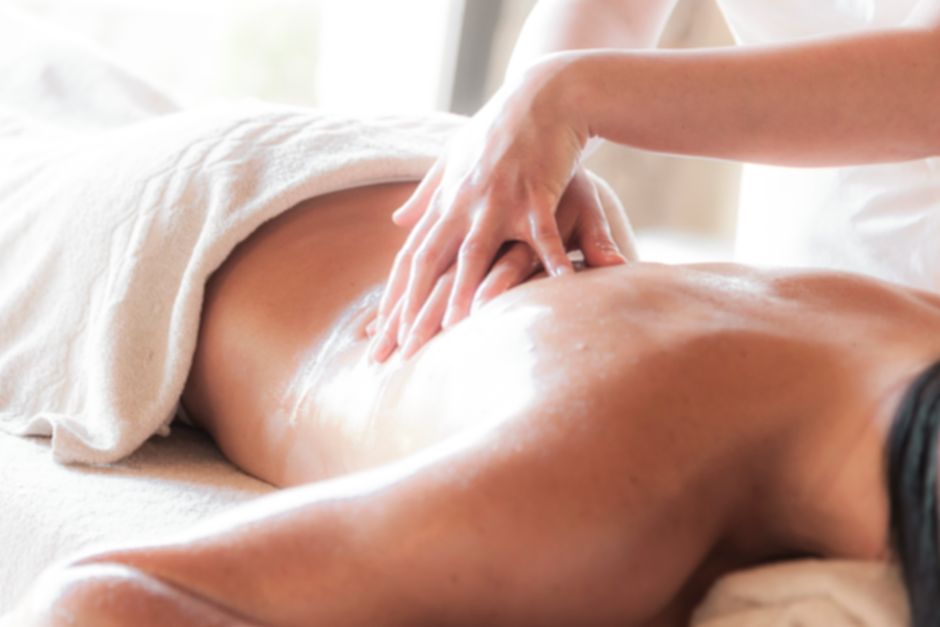
How Does Massage Influence Sleep Quality for Local Residents?
Massage has a measurable impact on sleep by promoting relaxation, encouraging healthy circulation, and helping the body’s stress response settle. For many in Thornton, better sleep isn’t just about feeling rested. It’s tied to health, daily mood, and being able to enjoy life in a city where seasonal temperature swings—and busy family or work schedules—can put restful nights out of reach.
Massage helps the body shift into the parasympathetic nervous system mode, sometimes called “rest and digest.” This supports slower heart rates, lower blood pressure, and reduced muscle tension—all of which make it easier to drift off and stay asleep. Regular massage sessions or simple self-massage techniques can make these benefits more accessible, especially for those experiencing chronic tension or stress.
Why Do People in Thornton, CO Struggle with Sleep?
Factors unique to Thornton help explain why some local residents look for solutions to improve their rest.
- Temperature changes: Winters can be dry and cold, while summers often swing between heat and sudden cool nights. Both extremes can cause muscle stiffness, contribute to nighttime aches, or disrupt sleep cycles.
- Dry climate: The city’s semi-arid climate can lead to dehydration, muscle cramps, and restlessness.
- Suburban schedules: Between commuting, household tasks, and shifting daylight hours, local families often find it difficult to wind down at night—especially during high-stress seasons like late spring storms or the busy holiday period.
Understanding these patterns helps explain why non-drug options like massage often appeal to Thornton households searching for sustainable sleep improvements.
What Physical Changes Happen During Massage That Relate to Sleep?
Massage creates physical responses in the body that directly encourage better sleep. Here’s a quick breakdown:
Muscle Relaxation: By working tense areas, massage increases blood flow, releases knots, and promotes warmth—all of which make it easier to settle into a comfortable sleeping position. It’s common for people to feel physically drowsy after a session.
Boost in Serotonin and Melatonin: Research shows massage can increase the body’s levels of serotonin, a neurotransmitter partly responsible for mood and relaxation. The body uses serotonin to produce melatonin, the hormone that signals when it’s time for sleep.
Stress Response Calming: The tactile stimulation from massage slows the body’s production of cortisol, the stress hormone. Lower stress levels are correlated with fewer nighttime awakenings.
Nervous System Balancing: Gentle massage activates the parts of the nervous system that support rest, making it easier to transition from busy days to restful nights.
Can Massage Help with Sleep Disorders?
Massage is not a medical treatment for sleep disorders, but for some sleep problems—like mild insomnia, tension headaches, or aches that make it difficult to fall asleep—massage may offer supportive relief. Many in the community find that integrating massage with other healthy habits (like reducing screen time before bed and managing room temperature) can make a noticeable difference.
Those with complex sleep disorders involving breathing issues or chronic pain should consult a healthcare provider. Massage is generally considered a safe complementary option—especially for age groups or family members who prefer to avoid sedative medications.
What Types of Massage Are Most Helpful for Sleep?
Residents typically benefit from techniques that calm rather than energize. Popular options include:
- Swedish Massage: Uses gentle, flowing strokes to ease tension and activate relaxation.
- Hand or Foot Massage: Focused work on extremities can be calming if full-body massage isn’t practical.
- Self-Massage: Simple techniques—for example, using gentle, circular motions on temples, neck, or shoulders—can help at home, especially before bed.
For those experiencing stiff muscles from gardening, home improvement projects, or winter chores, targeting those areas with massage may help break the cycle of pain and poor sleep.
Are There Risks or Common Misconceptions About Massage and Sleep?
Massage is safe for most healthy adults and children in Thornton. However, some assumptions may not fit every person’s needs or health situation:
- Not a cure-all: While many people feel sleepier or more relaxed after massage, it won’t automatically “fix” all causes of poor sleep.
- Be mindful of injuries and conditions: Those with certain medical issues—like fractures, severe skin conditions, or unaddressed infections—should use caution.
- Timing matters: For some, daytime massage provides an afternoon energy boost, while massage later in the evening feels most restful. Experimenting with timing may help maximize sleep benefits.
How Can Massage Fit Into Daily Life in Thornton?
Integrating massage doesn’t have to be complicated or expensive. Some practical approaches include:
- Using self-massage after long commutes, heavy workouts, or active days, especially during chilly or dry weather
- Sharing learned massage techniques within family routines—helpful for parents with young children or older family members who have trouble relaxing at night
- Practicing mindfulness or breathing exercises during massage to extend its calming effects, matching the city’s trend toward holistic wellness habits
Relaxation from massage is most powerful when combined with other sleep-friendly routines, such as consistent bedtimes, limiting caffeine in the evening, and maintaining comfort in sleeping spaces despite Thornton’s climate variability.
When Should Residents Combine Massage with Other Sleep Strategies?
Massage works best as one part of an overall sleep support plan. For instance, it pairs well with:
- Evening stretching routines designed for flexibility and calming
- Adjusting bedroom humidity (useful in Thornton’s dry winters)
- Limiting screens before bed to reduce sleep-disrupting blue light
If sleep issues persist, or if problems like snoring, sleep apnea, or restless leg syndrome keep recurring, medical evaluation is recommended. Massage can be a supportive piece—not a replacement—for comprehensive care.