

 See My Latest Article on HelloNation
How Does Massage Actually Reduce Stress?
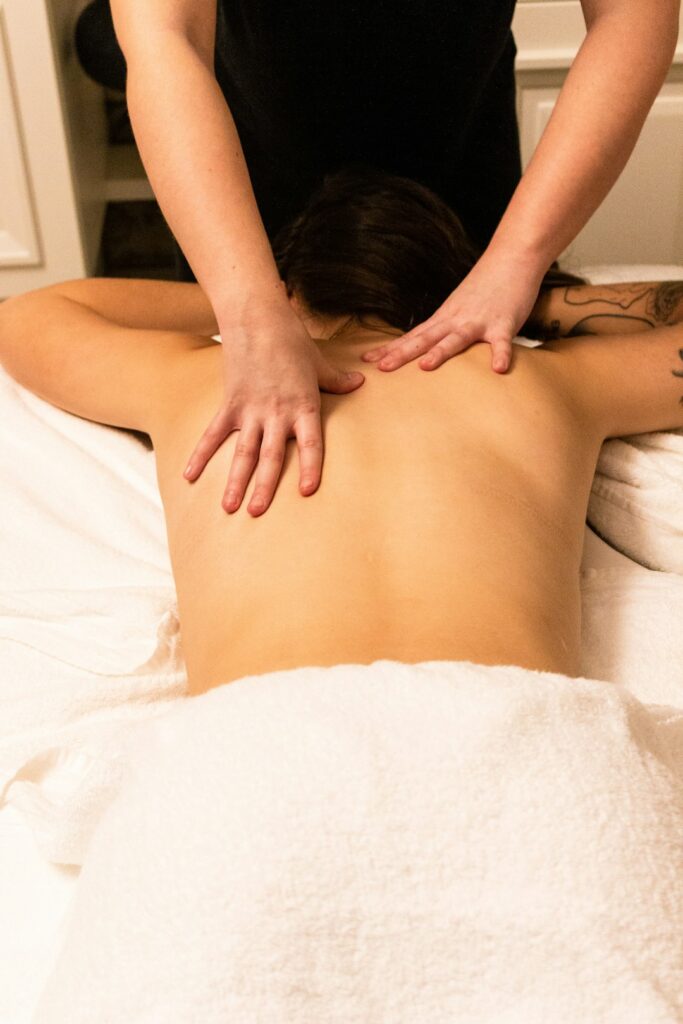
Massage therapy can trigger a physical relaxation response in the body, helping to lower levels of stress hormones such as cortisol while boosting mood-elevating chemicals like serotonin and dopamine. For people in Thornton, this natural calming effect may be especially noticeable during high-stress periods, such as balancing work and family responsibilities or coping with unpredictable weather.
The act of receiving massage encourages slower breathing and a lowered heart rate. This helps shift the body away from a fight-or-flight mode into a more restful state, which is essential for ongoing stress management. The hands-on aspect provides gentle pressure to muscles and connective tissues, helping to release tension that builds up during everyday activities or from sitting for long hours.
What Types of Stress Are Common Locally—and Can Massage Help?
Residents of Thornton experience many of the same stresses as people elsewhere, but with some local twists:
- Seasonal weather swings can increase physical tension and impact sleep.
- Commuting in local traffic or along major corridors can lead to muscle tightness in the shoulders, neck, and lower back.
- Fluctuating temperatures—especially in transitional months—may make people more likely to feel restless or fatigued.
Regular massage can address these stressors by relaxing constricted muscles and calming the nervous system. Many local residents find that even occasional sessions can help manage the physical impacts of seasonal or lifestyle-related stress, making daily tasks more comfortable.
What Are the Practical Benefits for Everyday Life?
People often ask if massage offers real, noticeable improvements for managing stress on a day-to-day basis. For most individuals, the effects may include:
- Better sleep: Many report improved rest after massage, as relaxed muscles and mind make it easier to fall and stay asleep.
- Fewer headaches: Tight muscles, especially in the shoulders and neck, can contribute to tension headaches. Regular massage may reduce their frequency and intensity.
- More comfortable movement: Loosening stiff muscles may make daily activities, such as yard work or walking pets, less physically taxing.
- Improved mood: The relaxing environment and physical contact can lift spirits and help people manage irritability or anxiety that sometimes comes with high stress levels.
These practical changes can add up over time, supporting better health and resilience throughout the year, especially during busy or stressful seasons.
How Often Do People in Thornton Need to Get Massage for Stress Relief?
There is no universal answer, but some general patterns exist. For people seeking consistent stress relief, massage on a weekly or biweekly basis is common, though monthly sessions still offer noticeable benefits. The decision depends on individual needs, schedules, and budget.
Local lifestyles, which often include a mix of active outdoor recreation, busy family schedules, and changing weather, may influence how frequently massage is needed. Listening to your body—such as increased muscle tightness, trouble sleeping, or a persistently anxious mood—can help signal when extra attention might be helpful.
Are There Misconceptions About Massage for Stress Relief?
Some area residents wonder if massage is just an occasional treat or luxury. In reality, many scientific studies have shown that massage can play a steady role in ongoing stress management. Regular massage does not need to be lengthy or intense; short, routine sessions focused on common tension areas can be highly effective.
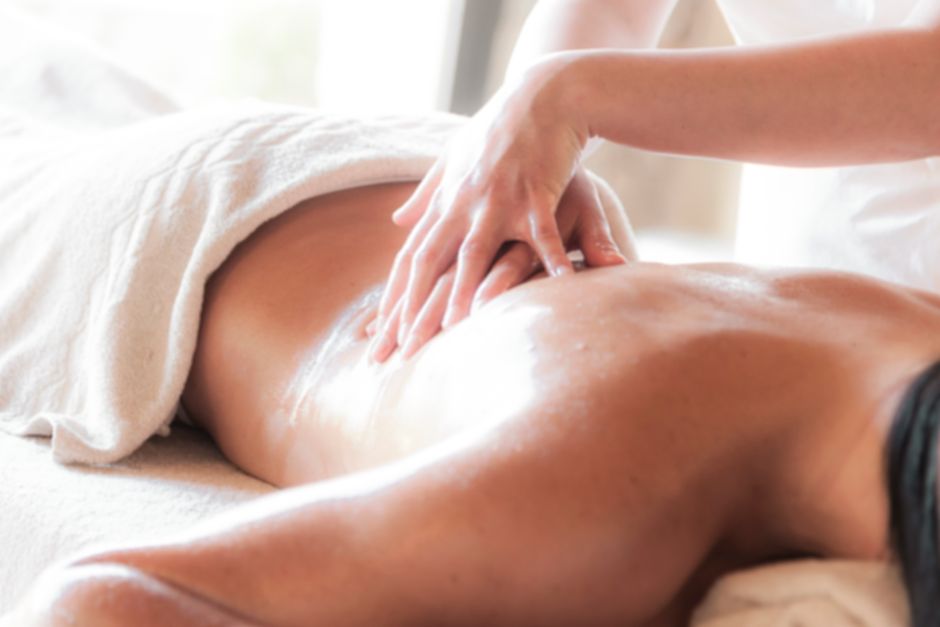
Another misconception is that only deep or painful massage provides benefits. Gentle techniques, such as Swedish massage or light touch work, are well-suited for stress reduction and do not require discomfort to promote relaxation.
What Should Local Residents Keep in Mind for Stress-Focused Massage Therapy?
Before seeking a massage specifically for stress relief, a few practical tips are worth considering:
- Communicate with your therapist about stress levels, daily habits, and any areas where tension tends to build up.
- Dress in layers when arriving for a session, especially when local weather changes quickly, so that warmth and comfort can be maintained.
- Hydrate after each session, since muscles and tissues may release built-up fluids or toxins.
- Consider how long effects last for you—some people find relief after one session, while others feel benefits for several days or weeks.
By treating massage as a supportive part of a holistic approach to well-being, rather than a one-off solution, residents can maximize its role in reducing ongoing stress.
How Does Massage Fit with Other Stress Management Strategies in Thornton?
Massage therapy works especially well alongside other stress reduction practices that are accessible in the local area, such as:
- Regular walks in neighborhood parks to combine gentle movement with time outdoors.
- Home stretching routines to maintain flexibility and reinforce the benefits of massage between sessions.
- Mindfulness or meditation practices, which can multiply relaxation effects when combined with the physical relief of massage.
By integrating massage with other wellness strategies, area households can create a strong foundation for handling daily pressures, seasonal changes, and long-term stress.