

 See My Latest Article on HelloNation
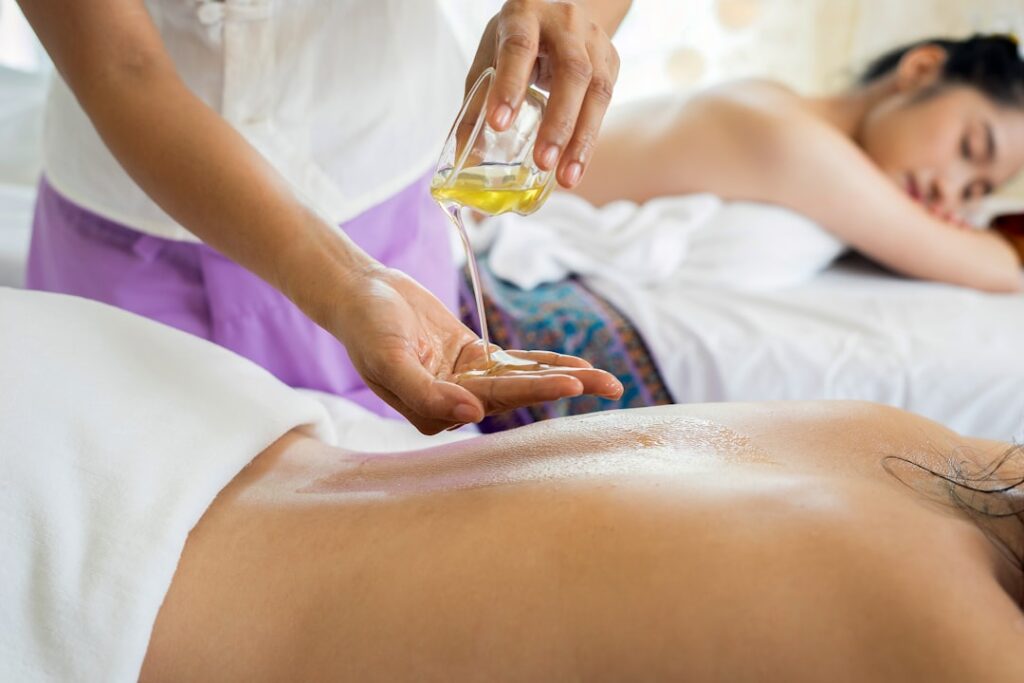
What Should Residents Do Before a Massage Session for Better Results?
Preparing in advance can make a noticeable difference in how effective a massage feels and how relaxed you become. In Thornton, CO, where the climate is often dry and temperatures can range widely through the year, proper hydration is especially crucial. Drinking water throughout the day before your massage helps your muscles respond better and may reduce post-massage soreness.
Arrive on time or a few minutes early to settle in. Rushing can cause lingering tension, making it harder for your body to release stress during the session. Eating a light snack an hour or two beforehand is generally easier on the body than arriving hungry or too full.
It’s helpful to wear comfortable clothing and remove jewelry or accessories before arriving. If you walk or bike to your session—as many in the city do—consider taking a moment to cool down and stretch once inside, which helps transition out of an active or outdoor mode.
How Does Communication with Your Massage Therapist Improve Outcomes?
Clear communication directly affects how beneficial a massage session will be. Good therapists encourage feedback, but local residents should feel comfortable providing specific information from the start. Mention current aches, recent activities (like hiking at nearby parks, shoveling snow, or long commutes), and any particular goals for the session.
During the massage, let your therapist know if the pressure is uncomfortable or if an area needs more attention. Misconceptions still persist—for example, that enduring discomfort makes a massage more effective—but in reality, relaxation is key to muscle recovery.
Allergies and sensitivities also matter for Thornton residents, especially during allergy season when skin may be more sensitive due to dry air, pollen, or heating systems. Inform the therapist if you have any known reactions to oils or lotions.
Is There Anything Residents Should Do Differently During Each Season?
Climate and seasonal habits in Thornton influence what maximizes a massage’s benefits. Winter in the area often means drier skin and increased muscle tension from shoveling snow, cold commutes, and less time outdoors. Moisturizing both before and after a session can help prevent irritation, and warming up with a brief walk or gentle stretches at home before heading out can prepare cold muscles for deeper work.
In warmer months when hiking, gardening, or outdoor sports are more common, muscles may be sore in different ways, and sunburn can make certain massage techniques uncomfortable. Communicate recent activities and any areas of tenderness, and avoid sun exposure immediately before a session to keep skin comfortable.
What Aftercare Steps Matter Most Locally?
What you do after a massage session affects how your body recovers and adapts. Hydration remains especially relevant in Thornton, as local tap water is easily accessible and the climate encourages drinking more. Continue to drink water throughout the rest of the day.
Allow yourself time to adjust, especially if walking, driving, or biking in the city. The relaxed state that follows a massage can linger and, in some cases, cause temporary light-headedness. If going outside during winter months, protect muscles from cold temperatures by dressing in warm layers.
Residents often share that soaking in a warm (not hot) bath or shower after a session helps prolong feelings of relaxation, especially after strenuous outdoor activities. Gentle stretching or quiet rest can also help the benefits “set in” more fully.
Are There Local Lifestyle Factors That Can Influence Massage Effectiveness?
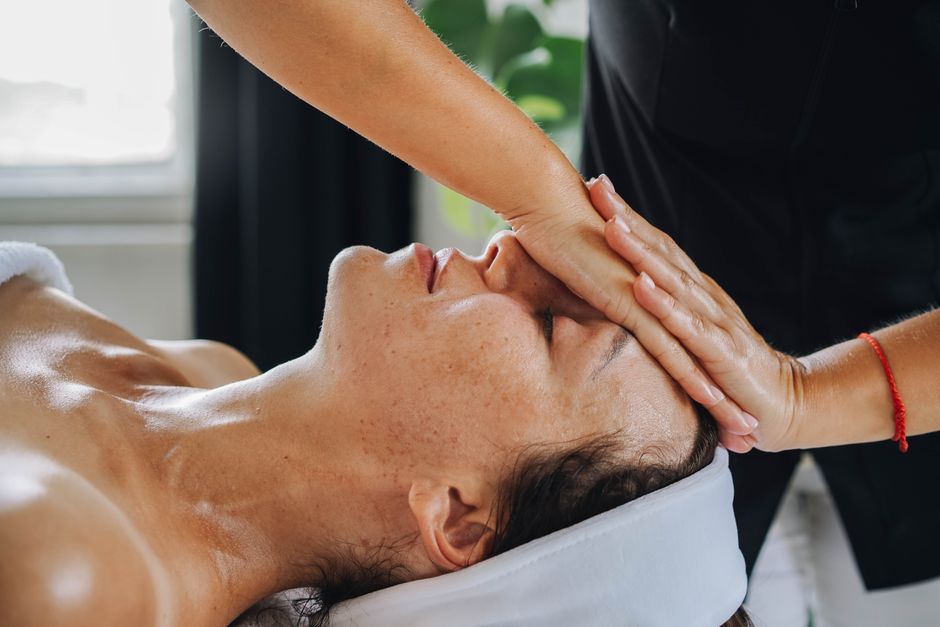
Thornton’s mix of desk work, active weekends, home improvement, and outdoor recreation means residents have a range of muscle use patterns throughout the year. People who sit at a computer for many hours should tell the therapist about posture habits and any recurring aches, like tight shoulders or low back pain. Likewise, residents who participate in group sports, run on local trails, or regularly lift heavy loads for home projects should highlight areas that see repetitive strain. Regular self-care—like foam rolling, stretching, or using at-home heat packs between sessions—can help maintain results. Those with allergies, asthma, or other respiratory sensitivities common in the city may benefit from asking about unscented oils or minimal aromatherapy.
What Common Misconceptions Might Affect Local Residents?
Many believe that soreness or “deep pain” during and after a massage means it worked better. In reality, everyone’s comfort level differs and the body does not require discomfort to improve. Residents should mention if any area is tender, numb, or feels odd, and prioritize comfort. Another frequent misconception is that skipping rest and going straight to intense exercise right after a massage “locks in” the effects—when, for most people, a short period of quiet recovery helps muscle tissues adapt. Finally, residents sometimes underestimate the value of regular, gentle movement throughout daily life—whether walking between city parks, taking stairs, or light stretching while at home—to extend relaxation and mobility benefits.
Can Residents with Ongoing Medical Conditions Benefit from Massage?
Massage may help with stress reduction, discomfort, and some types of chronic pain, but those with ongoing medical issues should always discuss massage therapy with their primary care provider, especially if prescribed medications, recent surgeries, or other treatments are involved. In those cases, gentle techniques may be most appropriate, and special accommodations may be needed to maximize safety and comfort.