

 See My Latest Article on HelloNation
Can Massage Really Help with Headaches and Migraines?
For many people living in Thornton, headaches and migraines can disrupt daily life—whether triggered by high plains weather changes, workplace screen time, or seasonal stress. Various studies and clinical experience suggest that certain massage techniques can help reduce the frequency and severity of headaches, particularly types related to muscle tension. While massage is not a cure, it may be a practical complementary approach for local residents alongside medical care.
What Types of Headaches Respond to Massage?
Massage is most often helpful for tension-type headaches and some migraines with muscular involvement. These headaches are frequently linked to muscle tightness in the neck, shoulders, or upper back, which is common for those who work at desks or cope with fluctuating barometric pressure, as is common along Colorado’s Front Range.
Migraine relief from massage is less direct, as migraines involve more complex neurological and vascular factors. However, many migraine sufferers report fewer attacks and reduced pain when they use massage as part of a self-care routine or to address secondary muscle tension.
How Does Massage Affect Headache Triggers?
Massage addresses some root causes and aggravators of headaches:
- It reduces muscle tension by relaxing the muscles of the neck, scalp, shoulders, and jaw.
- Certain massage styles target trigger points—tight knots in muscle tissue—that can refer pain to the head or temples.
- Improved circulation from massage may reduce stiffness or pressure sensations.
- Massage can promote better sleep and lower stress, both common headache contributors in area households during seasons of variable weather or busy school schedules.
What Massage Techniques Are Most Useful?
Several approaches are commonly used to ease headache symptoms:
- Swedish massage gently works the muscles to promote overall relaxation, which is helpful for tension headaches.
- Trigger point therapy focuses on specific points in the upper back, neck, and head that may refer pain.
- Myofascial release helps address connective tissue restriction, which can accumulate from chronic posture patterns (commonly seen for those working remotely in Thornton homes).
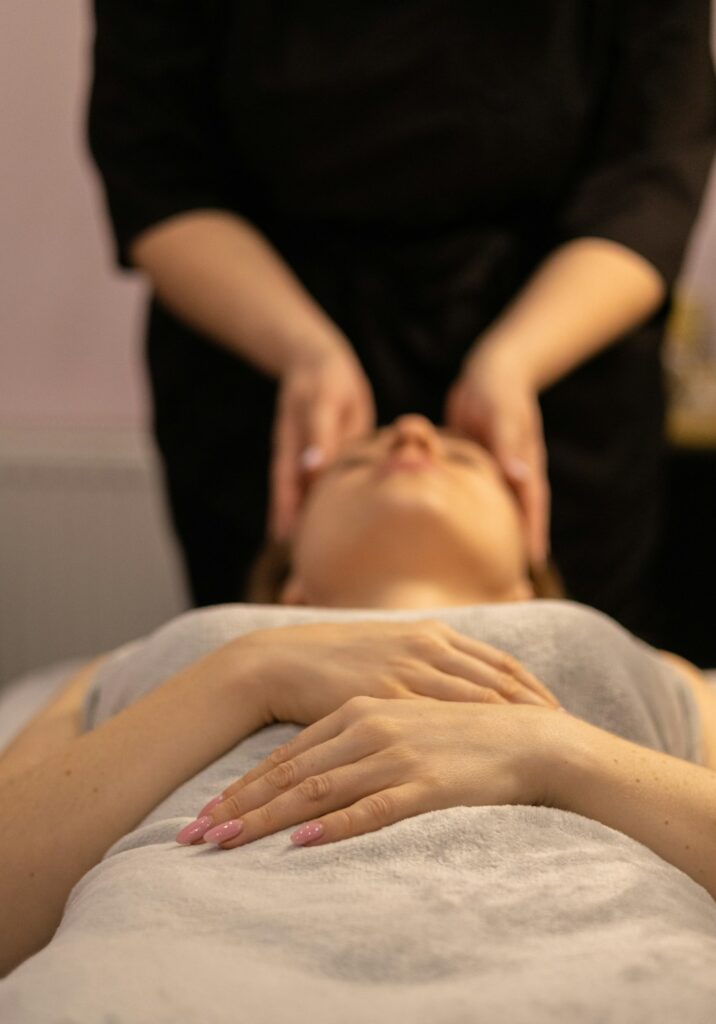
- Scalp and facial massage offers direct relief for muscle tightness above the neck.
Techniques are typically tailored based on the likely source of headache pain and whether the individual is experiencing an active episode or seeking preventive care.
What Should Local Residents Consider Before Using Massage for Headaches?
Massage is safe for many individuals, but there are important exceptions:
- It should not be used to treat headaches that are sudden, severe, or different from typical patterns—these could signal a medical emergency.
- Anyone with underlying health issues, especially blood clotting disorders, unexplained pain, or recent head trauma, should consult their physician prior to receiving massage for headache relief.
- Those with migraines should understand that for some, massage may trigger an attack during a particularly sensitive period, so it’s wise to avoid deep pressure during prodrome or aura phases.
For many in the community, communicating openly about headache symptoms and timing helps ensure that massage sessions are adjusted safely.
How Can Residents Incorporate Massage as Part of an Overall Headache Management Plan?
Massage works best as one piece of a larger headache or migraine management strategy in the Thornton area:
- Pair massage with healthy posture habits—especially during winter, when indoor activities and screen time increase.
- Combine with hydration, especially given the dry local climate that can contribute to muscle cramping and headache symptoms.
- Track headache patterns in relation to massage, documenting any reduction in frequency, intensity, or medication need.
- During times of heightened pollen and allergens, incorporating gentle sinus-facial massage may also provide comfort.
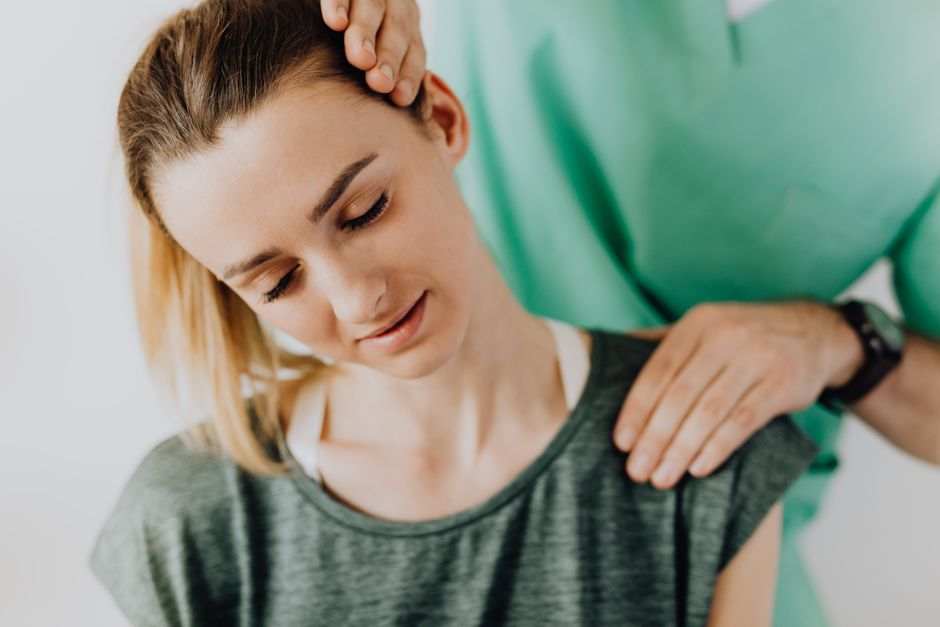
Relaxation techniques learned during massage sessions—such as mindful breathing or guided muscle release—can be practiced at home, offering ongoing support between sessions.
Are There Common Misconceptions About Massage and Headache Relief?
A few misunderstandings sometimes arise:
- Some believe massage cures migraines outright, but research and experience show that it is best viewed as supportive rather than curative.
- Another misconception is that deep or intense pressure always yields better results. In reality, light, focused work during a headache episode is often more effective and less likely to aggravate symptoms.
- Area residents sometimes overlook the importance of regularity—occasional massage can help, but steady, ongoing care is usually needed for lasting improvement.
By clarifying these points, people can avoid frustration and set realistic, informed expectations.
What Practical Steps Can Residents Take at Home?
Not all massage requires a professional setting; many techniques can be self-applied, especially when immediate relief is needed:
- Gently massaging the temples, base of the skull, and shoulders.
- Applying a warm compress to the back of the neck to loosen muscles before self-massage.
- Practicing simple neck stretches after periods of reading, computer use, or driving, which are all common in the local commute and work schedules.
- Scheduling time for regular stress management and muscle relaxation, rather than waiting for discomfort to build.
Simple self-care approaches can be valuable for everyday support, especially in households where headaches affect more than one family member.
What Should People in Thornton Know About Local Factors?
The local climate, with marked seasonal shifts and low humidity, can play a significant role in headache patterns. Many residents observe increased muscle tension or headaches in response to sudden weather changes, especially in spring and fall. Adjusting hydration habits and recognizing personal triggers can enhance the benefits of massage. For those living in multi-story homes common in Thornton, be mindful of posture when carrying laundry or shoveling snow—routine physical activities may contribute to muscle strain that later manifests as headache.
By considering these local factors and integrating massage appropriately, residents and families can find realistic, research-informed strategies to manage and reduce headache discomfort as part of daily life in Thornton.