

 See My Latest Article on HelloNation
What Is Swedish Massage and How Does It Work?
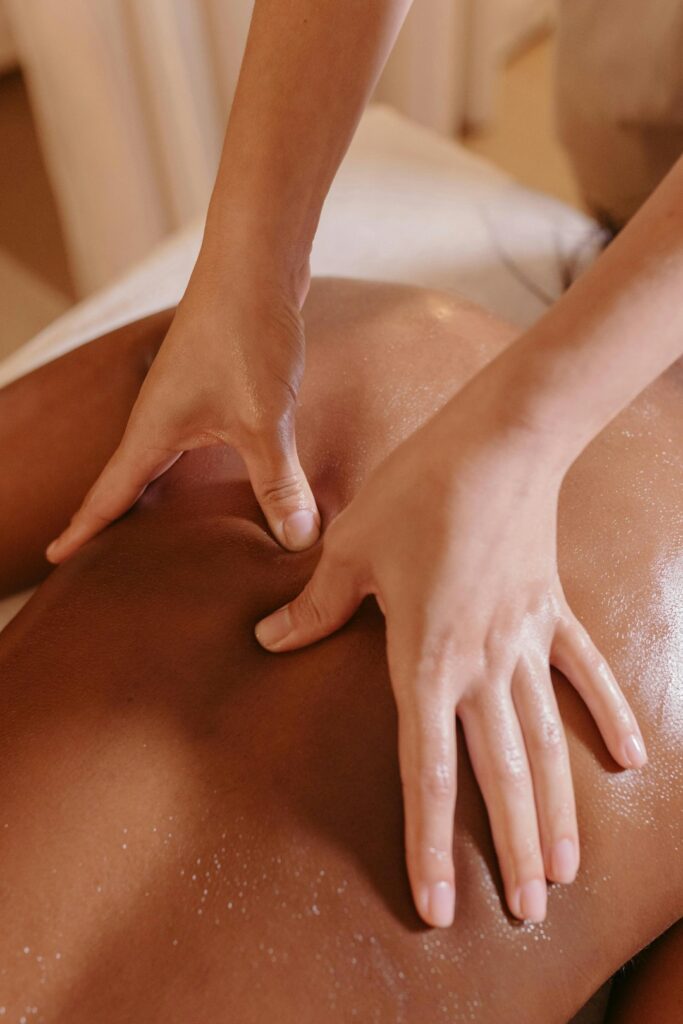
Swedish massage is a gentle, classic style of bodywork known for promoting relaxation and improving circulation. It’s often the first experience many local residents have with professional massage. This approach uses long, light to moderate pressure strokes—called effleurage and petrissage—to encourage overall tension relief rather than targeting specific muscle knots.
Sessions usually involve the use of lotion or oil, with rhythmic gliding motions over large muscle groups. This style is well suited for people who want relaxation, stress management, or help recovering from general physical fatigue, especially after long work weeks, outdoor recreation, or seasonal transitions that affect energy levels in the community.
What Is Deep Tissue Massage? How Is It Different?
Deep tissue massage focuses on the deeper layers of muscle and connective tissue. Unlike Swedish, the intent is to target persistent muscle tightness or chronic aches through slow, deliberate strokes and firm pressure. Therapists often use fingers, thumbs, knuckles, elbows, or specialized tools to reach beneath the superficial muscles.
This method is often associated with addressing repetitive strain from desk work, recreational sports, or physically demanding jobs sometimes found in Thornton households. Deep tissue sessions typically address areas prone to stiffness and tension—such as the upper back, neck, shoulders, or hip flexors—rather than treating the entire body with balanced pressure.
Which Massage Should Thornton Residents Consider for Their Needs?
Swedish massage is a top choice for residents seeking stress relief, improved mood, or general wellness. It’s ideal for those who:
- Are new to massage therapy
- Prefer lighter touch and gentler techniques
- Want relief from day-to-day muscle soreness
- Value the mental health benefits of relaxation
Deep tissue massage is often recommended for people with:
- Specific pain or stiffness that doesn’t respond to gentle pressure
- Old injuries, scar tissue, or postural challenges
- Training needs or physically demanding lifestyles
- Preference for firmer, more focused bodywork
For many, local therapists may even blend techniques from both styles according to client comfort and goals.
Common Misconceptions About Each Type
It’s easy to mix up relaxation and therapeutic benefits, or to assume deeper massage is always better. Here are a few real-world clarifications:
- Swedish massage is not just “light, fluffy” work—it can be invigorating and help muscles recover from moderate activity.
- Deep tissue is not supposed to be unbearably painful. Area households sometimes expect discomfort, but communication about tolerance helps avoid excessive soreness or bruising.
- Both types aim to support circulation, reduce stress hormones, and improve flexibility, but their approaches and intensity differ.
What Should You Expect During a Session?
Most Swedish massages take place in a restful, quiet environment, with the recipient comfortably draped to maintain privacy and warmth. The therapist typically starts on the back, using long strokes, then moves to limbs and the neck. Pressure is generally adjustable based on client feedback.
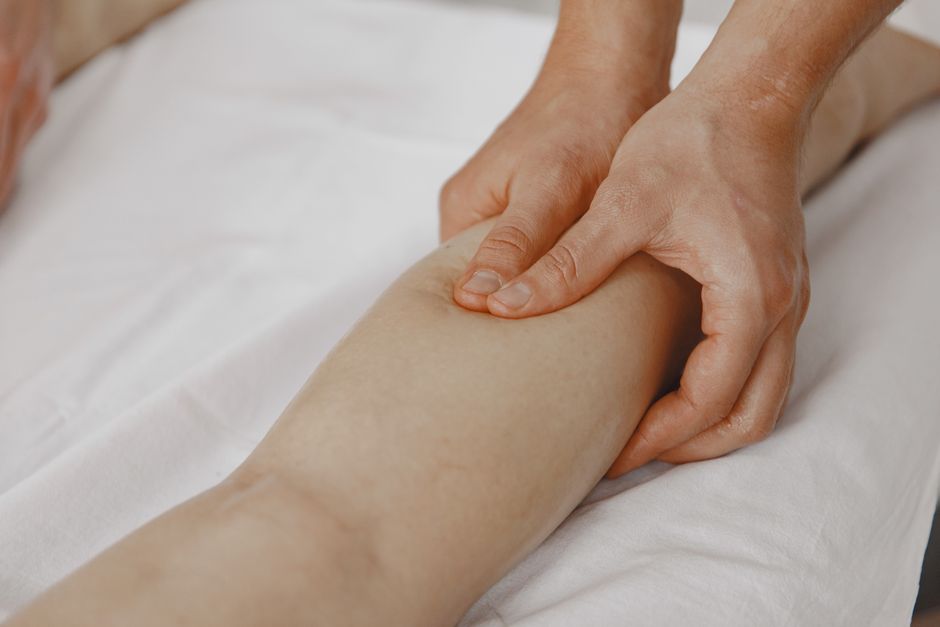
A deep tissue session starts similarly but quickly zeroes in on problematic areas. Therapists spend more time working on specific muscle groups using slower, targeted strokes, sometimes pausing over “knots” until tension eases. It is normal for area residents to feel some residual soreness after a deep tissue session, much like after trying a new workout, but this should fade within a day or two.
What Are the Health and Wellness Benefits? Are There Any Risks?
Both forms offer notable health benefits for local residents:
- Swedish: Reduced anxiety, improved sleep, increased circulation, quicker physical recovery.
- Deep tissue: Alleviation of chronic pain or stiffness, relief from repetitive strain symptoms, improved posture, and muscle function.
Most adults in the area tolerate both styles well. However, deep tissue massage is not a good fit for anyone with acute injuries, certain medical conditions, or during pregnancy without specific clearance. Residents should always speak openly with their therapist about goals, sensitivities, or health questions so that the session can be safely tailored.
How Do Climate and Local Lifestyle Impact Massage Choices?
Thornton’s cold, dry winters and physically active lifestyle influence massage therapy needs. Residents often choose Swedish massage as a remedy for stress or to warm up sore, tight muscles after winter sports. Deep tissue becomes more relevant during spring and summer, when increased outdoor activities or home improvement projects can lead to localized aches and pains. Regardless of the season, both styles can be adapted for the city’s varied lifestyles—from sedentary office routines to physically demanding work or recreational habits.
Can These Massages Be Combined?
Yes, many local practitioners blend Swedish and deep tissue techniques within a single session to maximize comfort and effectiveness. It’s common for a therapist to use relaxing Swedish strokes on most of the body, then apply deeper, targeted work only on areas that need extra attention. This hybrid approach can help clients ease into new experiences while still addressing specific muscle concerns common in the community.
Tips for Getting the Most Out of Your Experience
A few practical considerations for Thornton residents about preparing for massage:
- Hydrate well before and after your session to help your body process muscle waste products released during massage.
- Communicate your comfort level, pain tolerance, and personal goals directly to your therapist.
- Consider your weekly routine, stress level, and any recurring aches when deciding which style fits best at different times of year.
- Take note of any delayed soreness with deep tissue sessions, and use gentle movement, baths, or ice as needed to relieve post-massage tenderness.